-
 play_arrow
Radio Rehoboth
music_note


Beyond BPA: Researchers Find Harmful Chemicals in Food Stickers
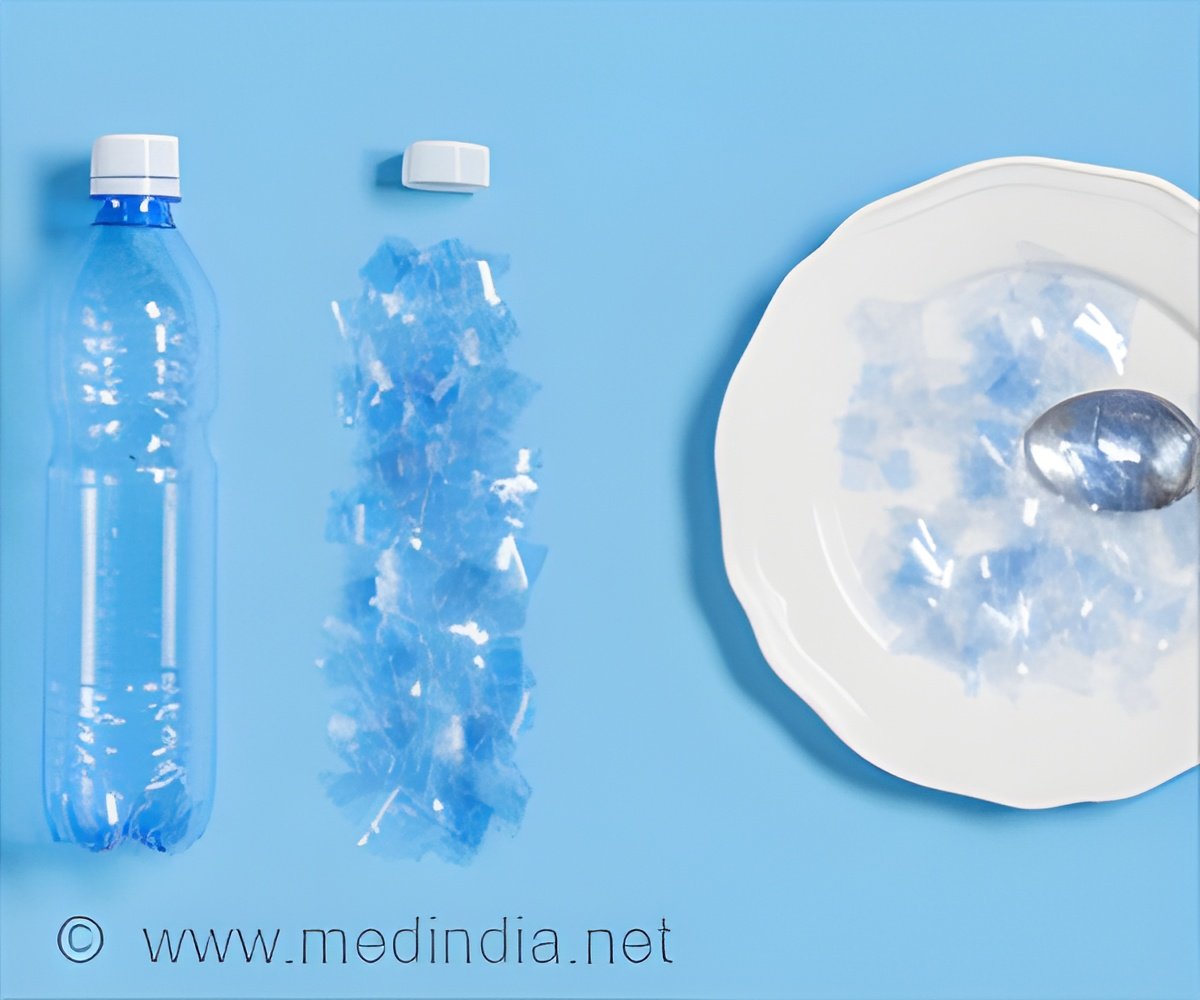
A McGill University study finds BPA replacement chemicals in food packaging may harm human ovarian cells, raising new concerns about food safety.
Certain chemicals used as alternatives to bisphenol A (BPA) in food packaging may pose risks to human ovarian cells, according to researchers at McGill University (1✔ ✔Trusted Source
High-content imaging and transcriptomic analyses of the effects of bisphenol S and alternative color developers on KGN granulosa cells
Go to source
).
The study examined several substances commonly found in price labels on packaged foods such as meat, fish, cheese, and produce, and identified early indications of potential toxicity.
The findings, published in the journal Toxicological Sciences, raise concerns about the safety of BPA-free packaging and whether current regulations go far enough to protect consumers.
Health Risks of BPA-Free Packaging Chemicals
The research began with the 2023 discovery by Stéphane Bayen, Associate Professor in McGill’s Department of Food Science and Agricultural Chemistry, that label-printing chemicals like bisphenol S (BPS), a BPA replacement, were leaching through plastic wrap into the food. He teamed up with colleagues in reproductive toxicology to investigate what these substances could be doing inside the body.
Lab-grown human ovarian cells were exposed to four commonly used BPA substitutes: TGSA, D-8, PF-201 and BPS. Several of the chemicals, particularly TGSA and D-8, caused a buildup of fat droplets in the cells and changed the activity of genes that help cells grow and repair their DNA.
“These are major cellular functions,” said Bernard Robaire, co-senior author of the study and James McGill Professor in McGill’s Departments of Pharmacology & Therapeutics and Obstetrics & Gynecology. “Disrupting them doesn’t prove harm in humans, but it gives us a strong signal that these chemicals should be further investigated.”
The Case for Limiting BPA Exposure
BPA is a chemical that can interfere with the body’s hormones, and has been linked to problems with fertility, early development and metabolism. Because of these risks, it has been banned in baby bottles and restricted in some products in Canada.
Advertisement
Many of the chemicals used to replace BPA are not regulated or routinely tested, the researchers explained.
“‘BPA-free’ is an incredibly misleading label,” said Robaire. “It usually means one bisphenol has been swapped for another, and there are more than 200 of them. Some may be just as harmful, or even worse. We need to test these compounds before they’re widely adopted, not after.”
Advertisement
Health Canada has now added all four substances to a list of chemicals requiring further investigation.
For consumers looking to err on the side of caution, Robaire suggests removing labels and plastic wrap from fresh foods before storing. He also recommends choosing items from the top of store display piles rather than the bottom, where pressure from stacking may push chemicals more deeply into the packaging and food.
Reference:
- High-content imaging and transcriptomic analyses of the effects of bisphenol S and alternative color developers on KGN granulosa cells – (https://academic.oup.com/toxsci/advance-article/doi/10.1093/toxsci/kfaf096/8214026)
Source-Eurekalert
Go to Source:https://www.medindia.net/news/beyond-bpa-researchers-find-harmful-chemicals-in-food-stickers-220862-1.htm
Author:

Top popular
Matt Damon Discusses Working With Wife Luciana on ‘The Instigators’

Listen to Jane Remover’s New Songs “Flash in the Pan” and “Dream Sequence”
NFL Week 17 highlights: Packers, 49ers, Saints, Steelers win, Cardinals stun Eagles

Demo underway on Sea Esta Motel in Dewey

Watch MexikoDro’s Video for New Song “Marta”