-
 play_arrow
Radio Rehoboth
music_note

The Hidden Cost of Dinner: Problems of Mislabeled Shark Meat
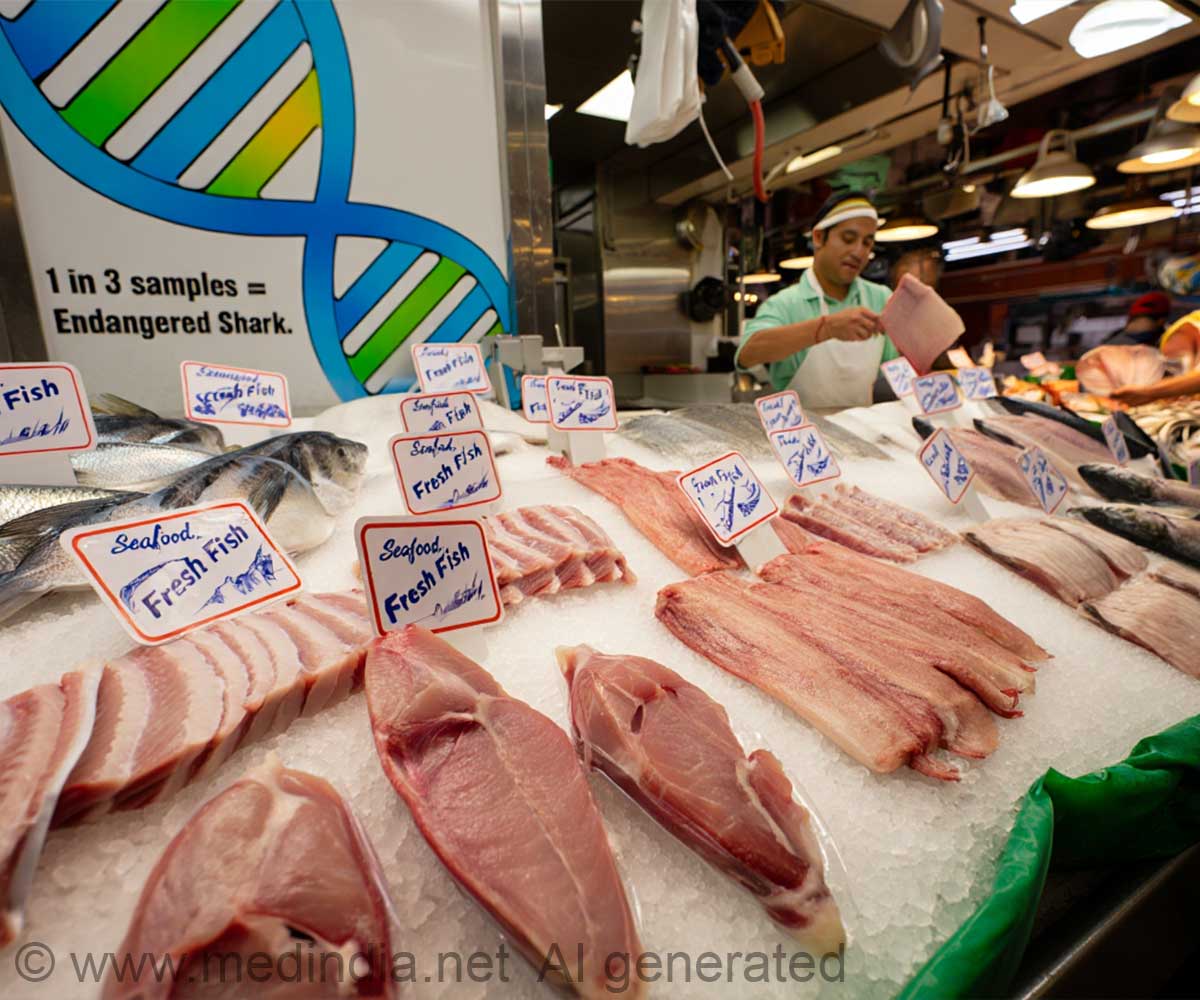
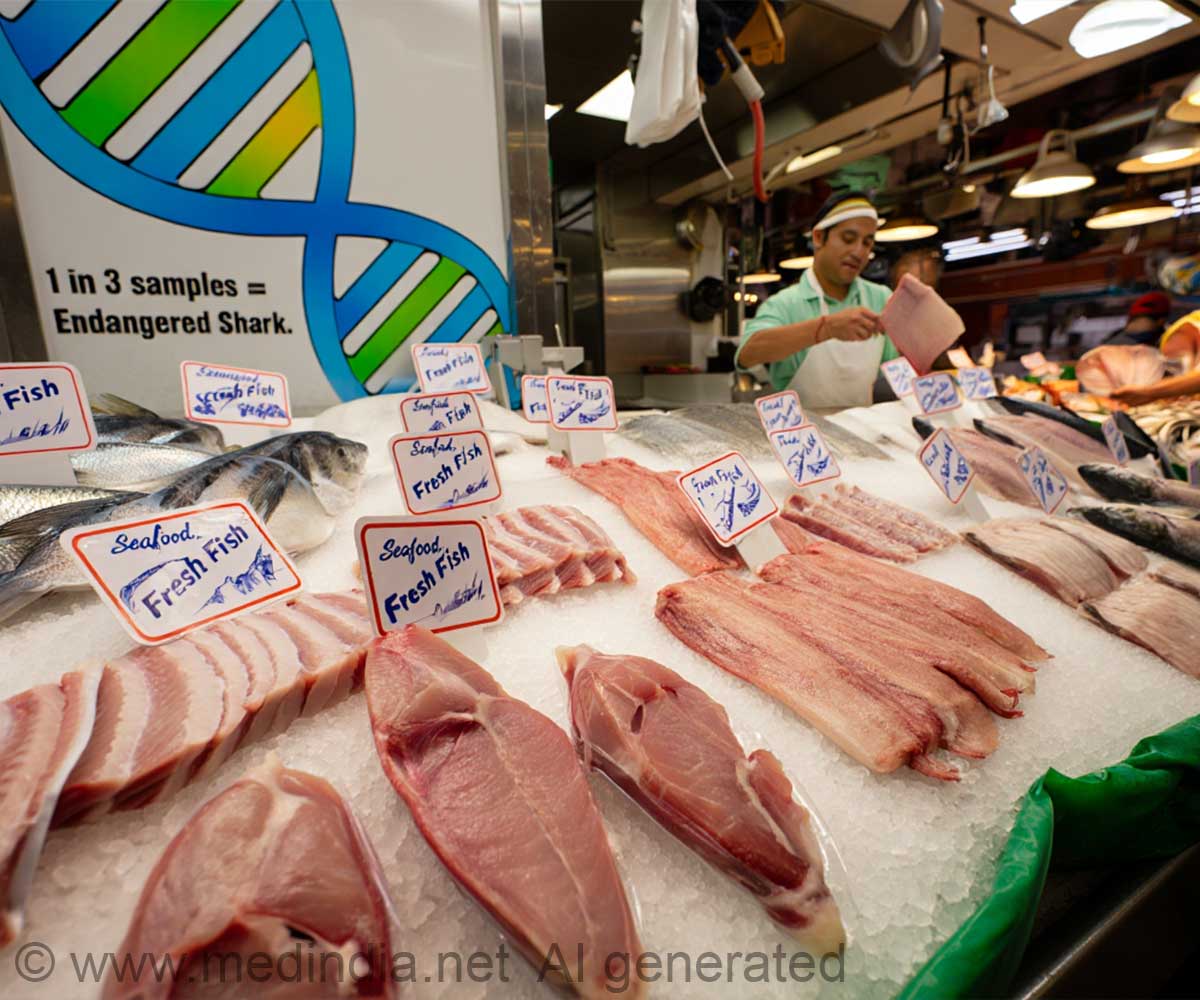
DNA analysis revealed, 1/3 of fishery products were endangered species including great hammerhead and scalloped hammerhead sharks.
Latest research from the University of North Carolina at Chapel Hill showed that shark meat sold across U.S. markets is broadly mislabeled (1✔ ✔Trusted Source
Sale of critically endangered sharks in the United States
Go to source
).
Scientists used DNA analysis on 29 products and revealed that 93% were obscurely mislabeled and came from at least 11 different shark species.
Also, the study showed that some of the meat was from endangered species such as the great hammerhead and scalloped hammerhead shark, that are being sold in the market despite marine population declines.
Harmful Consequences of Cryptic Mislabeling
“Mislabeling and ambiguous labeling remove consumers’ ability to choose what they are putting in their bodies,” said Savannah Ryburn, Ph.D., first author of the study and co-instructor of the seafood forensics class that conducted the research.
“For example, two species in our study, scalloped hammerhead and great hammerhead, were ambiguously labeled as ‘shark,’ even though they are strongly advised against consumption due to their very high mercury levels. Without accurate and precise labeling, consumers cannot avoid purchasing these products.”
The researchers found that of the 29 products tested, 27 were labeled simply as “shark” or “mako shark” without a species designation. Even among the two products that were labeled with a species name, one turned out to be incorrect. These findings highlight a major gap in seafood transparency and consumer safety.
Challenges for Public Conservation Efforts
“The United States should require seafood distributors to provide species-specific names for the products being sold,” said John Bruno, Ph.D., distinguished professor and co-instructor of the seafood forensics class.
Shark meat is known to contain high levels of mercury, which can pose serious risks to human health, particularly for children and pregnant people. The researchers emphasize that accurate labeling is essential not only for conservation but also for consumer protection.
Need for DNA Barcoding to Uncover the Fraud
“Sharks such as great and scalloped hammerheads are the ocean’s equivalent of lions, and we were shocked by how cheaply the meat of these rare, long-lived apex predators was sold,” added Ryburn. “Some samples were only $2.99 per pound.”
The study, which contributes to a limited but growing body of research using DNA barcoding to investigate the accuracy of shark product labeling in the U.S., calls for stronger regulations and oversight of seafood labeling practices.
Reference:
- Sale of critically endangered sharks in the United States – (https://www.frontiersin.org/journals/marine-science/articles/10.3389/fmars.2025.1604454/full)
Source-Eurekalert
Go to Source:https://www.medindia.net/news/the-hidden-cost-of-dinner-problems-of-mislabeled-shark-meat-220982-1.htm
Author:


-

Legends of Disco
With DJ Tim
Listen and Dance to the Award Winning “Legends Of Disco” Show as he features the Best Of Classic Disco, Dance and R & B. on Thursdays from 8 pm to 11 pm. The passion, the knowledge, the memories! Tim hails from Philadelphia PA and now resides in Rehoboth Beach DE. He is having the time of his life and living his dream being your radio DJ.
close Top popular
Matt Damon Discusses Working With Wife Luciana on ‘The Instigators’

Listen to Jane Remover’s New Songs “Flash in the Pan” and “Dream Sequence”
NFL Week 17 highlights: Packers, 49ers, Saints, Steelers win, Cardinals stun Eagles

Demo underway on Sea Esta Motel in Dewey

Watch MexikoDro’s Video for New Song “Marta”