-
 play_arrow
Radio Rehoboth
music_note


Green Tea Shines for Health, but Bottled Teas Raise Concerns
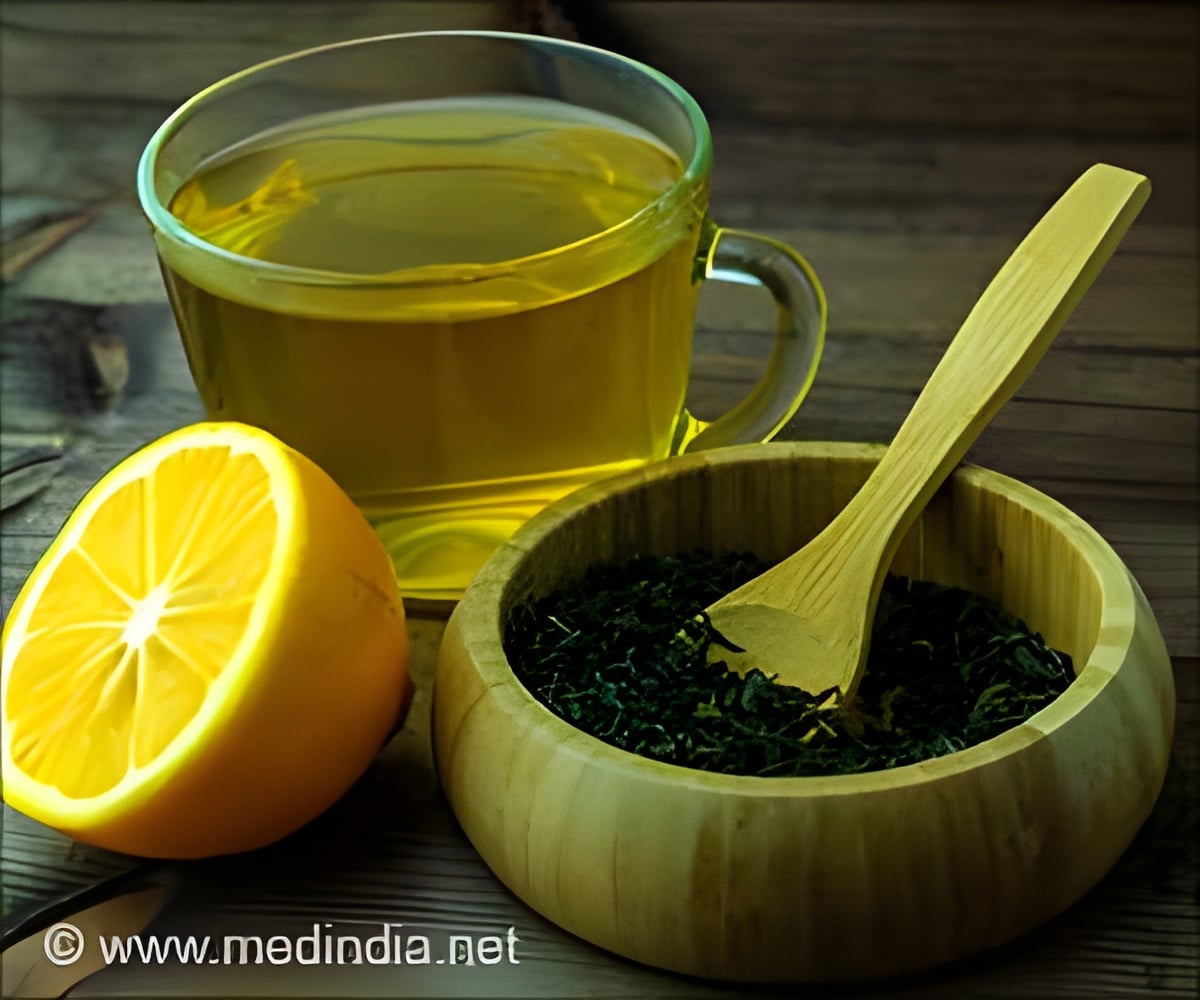

Moderate consumption of traditional brewed tea may help prevent cardiovascular disease, diabetes, and some cancers.
New review highlights that tea, especially green tea, offers significant health benefits, including reducing the risk of cardiovascular diseases (CVDs), obesity, diabetes, and certain cancers. Beyond these protective effects, tea demonstrates neuroprotective properties, helps prevent muscle loss in older adults, and exhibits anti-inflammatory and antimicrobial activities, underscoring its role as a functional beverage with wide-ranging health-promoting potential. (1✔ ✔Trusted Source
Beneficial health effects and possible health concerns of tea consumption: a review
Go to source
)
TOP INSIGHT

Tea’s health benefits are clear, but watch out for the processed versions! #Bottledtea and #bubbletea often contain high amounts of added #sugars and preservatives. Enjoy the goodness of tea, but moderate consumption of these processed forms to truly benefit your health. #TeaTime #TeaBenefits #NutritionFacts #SugarModeration
Caution Urged: Artificial Sweeteners and Additives in Commercial Teas May Diminish Health Benefits
However, the study also cautions about potential health risks associated with certain commercially prepared teas, such as bottled or bubble teas, which may contain artificial sweeteners, preservatives, and other additives that could diminish these benefits.
A study published in Beverage Plant Research by Mingchuan Yang & Li Zhou’s team, Tea Research Institute, Chinese Academy of Agricultural Sciences, underlines the need for further research to better understand tea’s health benefits and risks.
The Health Impact of Tea: A Review of Polyphenolic Benefits and Medicinal History
Tea, made from the leaves of Camellia sinensis, has been consumed globally for centuries, initially for its medicinal properties and later as a popular beverage. It has long been recognized for its rich polyphenolic content, particularly catechins, which contribute to its health benefits. This review aims to provide a detailed analysis of tea’s impact on various health conditions, supported by both experimental and human studies.
Despite extensive studies on green tea, there is limited information on the effects of other tea types, such as black, oolong, and white tea, especially concerning their comparative health benefits. Furthermore, the health concerns raised by the presence of additives and contaminants in some commercial tea beverages are addressed.
The review delves into various health conditions linked to tea consumption. Green tea is highlighted for its cardiovascular protective effects, reducing blood pressure and improving cholesterol levels. Multiple cohort studies also show that regular tea consumption can lower the risk of all-cause mortality, CVDs, and certain cancers.
Furthermore, tea’s role in weight management and its potential in controlling diabetes are discussed, with evidence suggesting that green tea catechins can aid in weight reduction and improve metabolic parameters in obese individuals. Notably, tea also shows promise in neuroprotection and muscle mass preservation. Studies indicate that regular tea drinkers experience a reduced prevalence of cognitive decline and Alzheimer’s disease biomarkers, particularly in older adults.
Similarly, tea catechins may prevent muscle loss in seniors, contributing to better physical performance and muscle strength. However, while tea has numerous benefits, commercial tea products such as bottled or bubble tea, often contain sugar, artificial sweeteners, and preservatives, which may reduce or negate the health benefits.
Contaminant and Nutrient Interference Concerns for Heavy Tea Drinkers
Additionally, concerns regarding pesticide residues, heavy metals, and microplastics in tea have been raised. These contaminants, though not posing significant health risks in typical consumption, remain a concern for long-term heavy tea drinkers. Moreover, the review addresses the issue of nutrient absorption interference, specifically with non-heme iron and calcium, potentially affecting people on vegetarian diets or those with specific nutritional needs.
The health benefits of tea are clear, but its consumption in processed forms like bottled tea and bubble tea should be moderated due to added sugars and preservatives.
The findings from this review suggest that moderate consumption of traditional, freshly brewed tea can be beneficial, especially for preventing cardiovascular diseases, diabetes, and cancer.
Future studies focusing on the long-term health effects of different tea types and the impact of contaminants will help refine our understanding of tea’s health benefits and risks.
Reference:
- Beneficial health effects and possible health concerns of tea consumption: a review – (https://www.maxapress.com/article/doi/10.48130/bpr-0025-0036)
Source-Newswise
Go to Source:https://www.medindia.net/news/green-tea-shines-for-health-but-bottled-teas-raise-concerns-221695-1.htm
Author:


-

Legends of Disco
With DJ Tim
Listen and Dance to the Award Winning “Legends Of Disco” Show as he features the Best Of Classic Disco, Dance and R & B. on Thursdays from 8 pm to 11 pm. The passion, the knowledge, the memories! Tim hails from Philadelphia PA and now resides in Rehoboth Beach DE. He is having the time of his life and living his dream being your radio DJ.
close Top popular
Matt Damon Discusses Working With Wife Luciana on ‘The Instigators’

Listen to Jane Remover’s New Songs “Flash in the Pan” and “Dream Sequence”
NFL Week 17 highlights: Packers, 49ers, Saints, Steelers win, Cardinals stun Eagles

Demo underway on Sea Esta Motel in Dewey

Watch MexikoDro’s Video for New Song “Marta”