-
 play_arrow
Radio Rehoboth
music_note


Before the Lights Go Out: Food Safety You Can’t Ignore
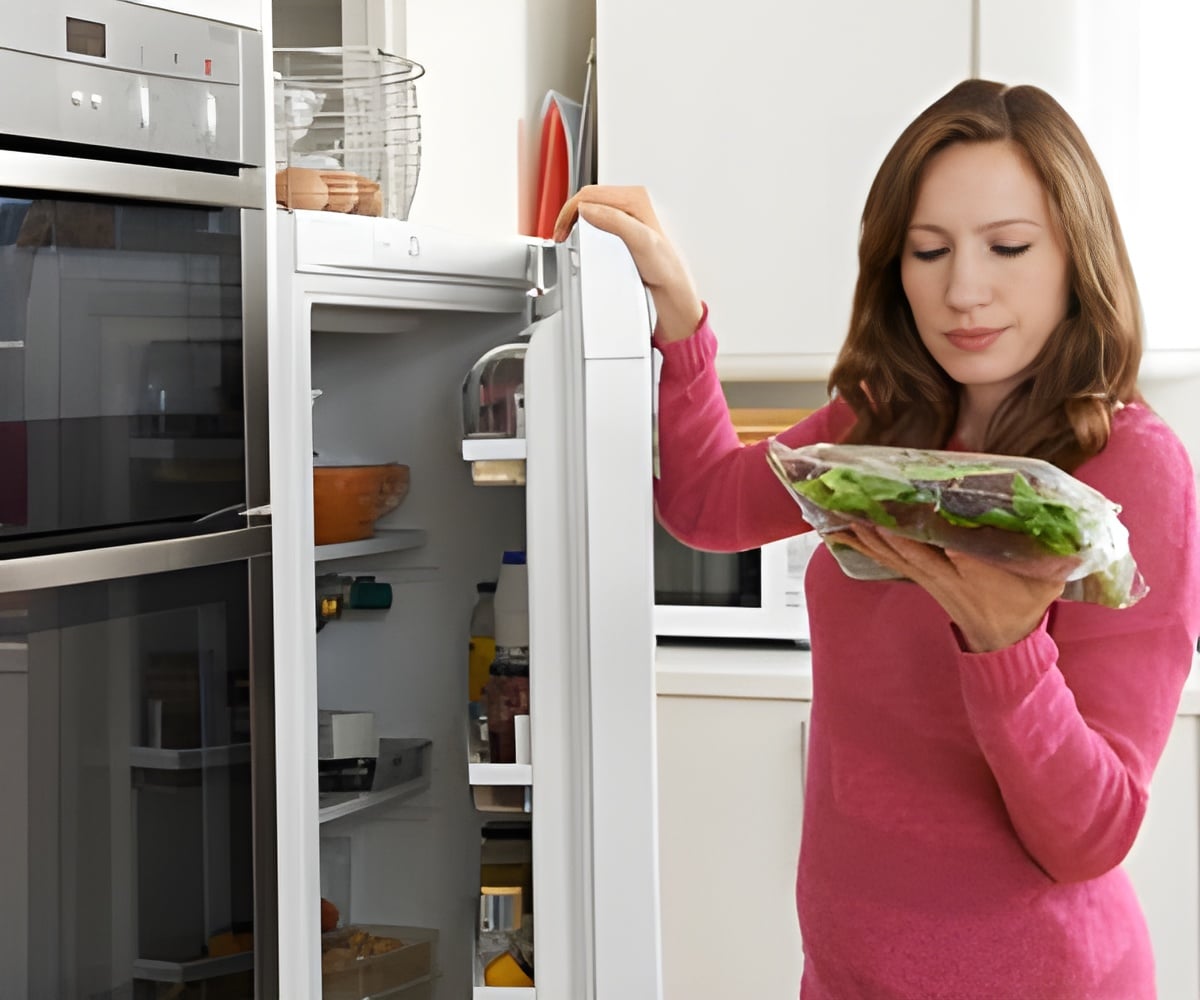
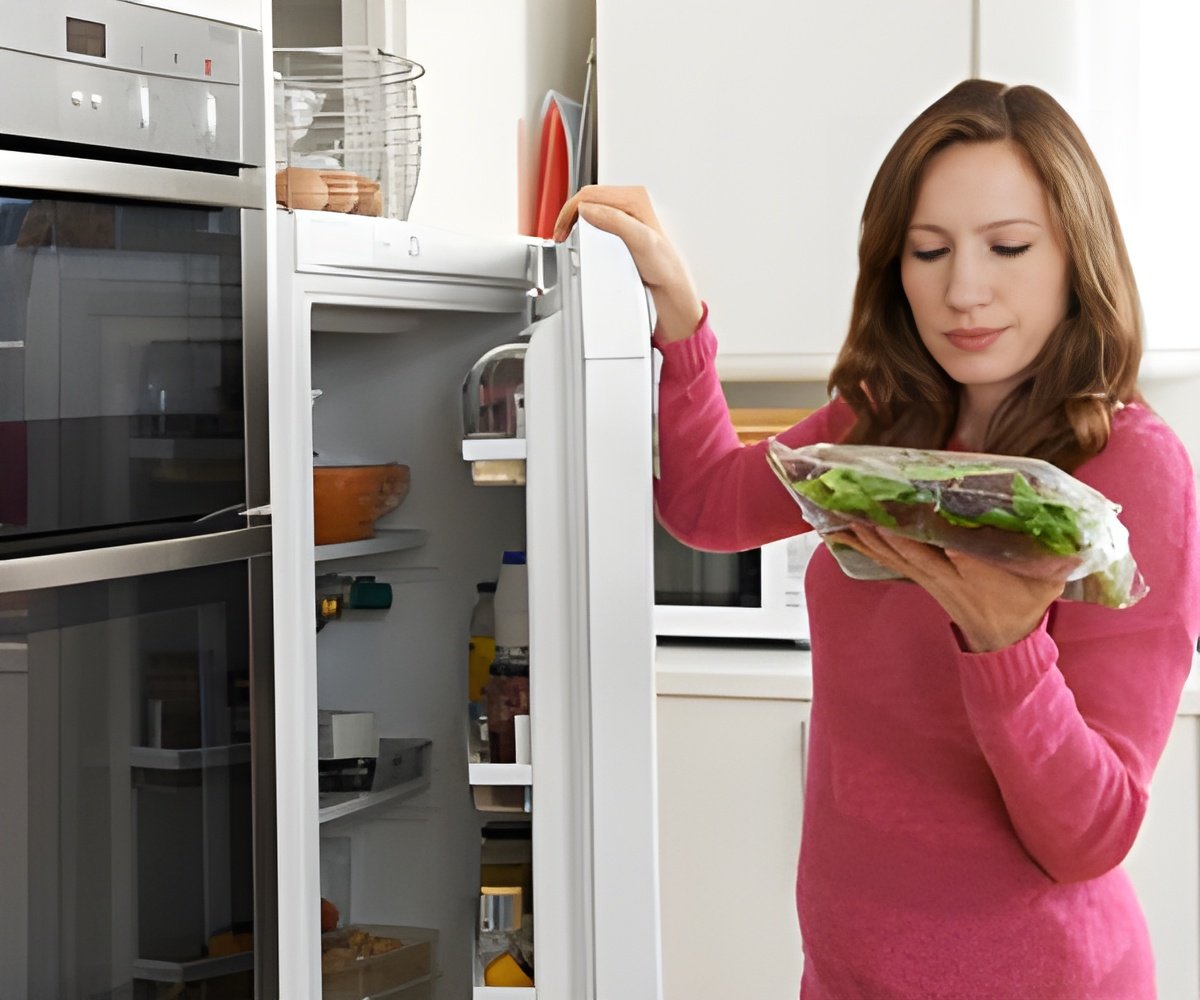
Storm warnings and possible outages prompt reminders about safe food handling and storage during emergency prep.
As forecasts warn of severe winter weather across the Southeast, many households are preparing for possible power outages and extended periods indoors, prompting last-minute grocery shopping.
Food safety specialists from Virginia Tech’s Department of Food Science and Technology advise residents to follow proper food safety practices to protect household supplies if electricity disruptions occur during the storm.(1✔ ✔Trusted Source
Food safety during a power outage: Tips from a Virginia Tech expert
Go to source
)
TOP INSIGHT

Did You Know?
#Fridge food stays safe for nearly 4 hours if unopened; a full #freezer stays safe for up to 48 hours in a blackout. After that, bacterial risk surges; keep doors shut. #foodsafety #poweroutage #emergencyprep #medindia
Advertisement
Food Safety During Power Interruptions
“A fridge or freezer that is adequately sealed can maintain its temperature for a short while,” Hamilton said. “However, it is important to keep in mind the FDA and USDA’s Food Safety and Inspection Service guidelines for food safety when the power goes out.”
Advertisement
Assessing Freezer Conditions After Power Restoration
Hamilton cited the following FDA advice:
- If an appliance thermometer was kept in the freezer, check the temperature when the power comes back on. If the freezer thermometer reads 40° F or below, the food is safe and may be refrozen.
- If a thermometer has not been kept in the freezer, check each package of food to determine its safety. You can’t rely on appearance or odor. If the food still contains ice crystals or is 40° F or below, it is safe to refreeze or cook.
- If the power was out for no more than four hours, refrigerated food should be safe as long as the doors were kept closed. When the power comes back on, check the temperature in the refrigerator or of the food.
- Discard any refrigerated perishable food (such as meat, poultry, seafood, milk, eggs, or leftovers) that has been at refrigerator temperatures above 40°F for four hours or more.
- Perishable foods with temperatures that are 45°F or below (measured with a food thermometer) should be safe, but should be cooked and consumed as soon as possible.
Advertisement
What the American Red Cross Association Recommends
“The American Red Cross Association recommends that households have a two-week supply of non-perishable and easy to prepare foods at home,” Hamilton said.
“This includes shelf-stable ready-to-eat foods, such as cereal and granola bars, but also shelf-stable foods that require rehydrating or cooking, such as instant oatmeal or freeze-dried foods. If you have ready-to-eat refrigerated foods that do not require preparation, for example yogurt or deli meat, you should consume these first as they will spoil fastest in a power outage.”
Reference:
- Food safety during a power outage: Tips from a Virginia Tech expert – (https://augustafreepress.com/news/food-safety-during-a-power-outage-tips-from-a-virginia-tech-expert)
Source-Virginia Tech
Go to Source:https://www.medindia.net/news/before-the-lights-go-out-food-safety-you-cant-ignore-222281-1.htm
Author:


-

Legends of Disco
With DJ Tim
Listen and Dance to the Award Winning “Legends Of Disco” Show as he features the Best Of Classic Disco, Dance and R & B. on Thursdays from 8 pm to 11 pm. The passion, the knowledge, the memories! Tim hails from Philadelphia PA and now resides in Rehoboth Beach DE. He is having the time of his life and living his dream being your radio DJ.
close Top popular
Matt Damon Discusses Working With Wife Luciana on ‘The Instigators’

Listen to Jane Remover’s New Songs “Flash in the Pan” and “Dream Sequence”
NFL Week 17 highlights: Packers, 49ers, Saints, Steelers win, Cardinals stun Eagles

Demo underway on Sea Esta Motel in Dewey

Watch MexikoDro’s Video for New Song “Marta”