-
 play_arrow
Radio Rehoboth
music_note


From Yogurt to Cheese: Microbes Add Extra Protein to Fermented Foods
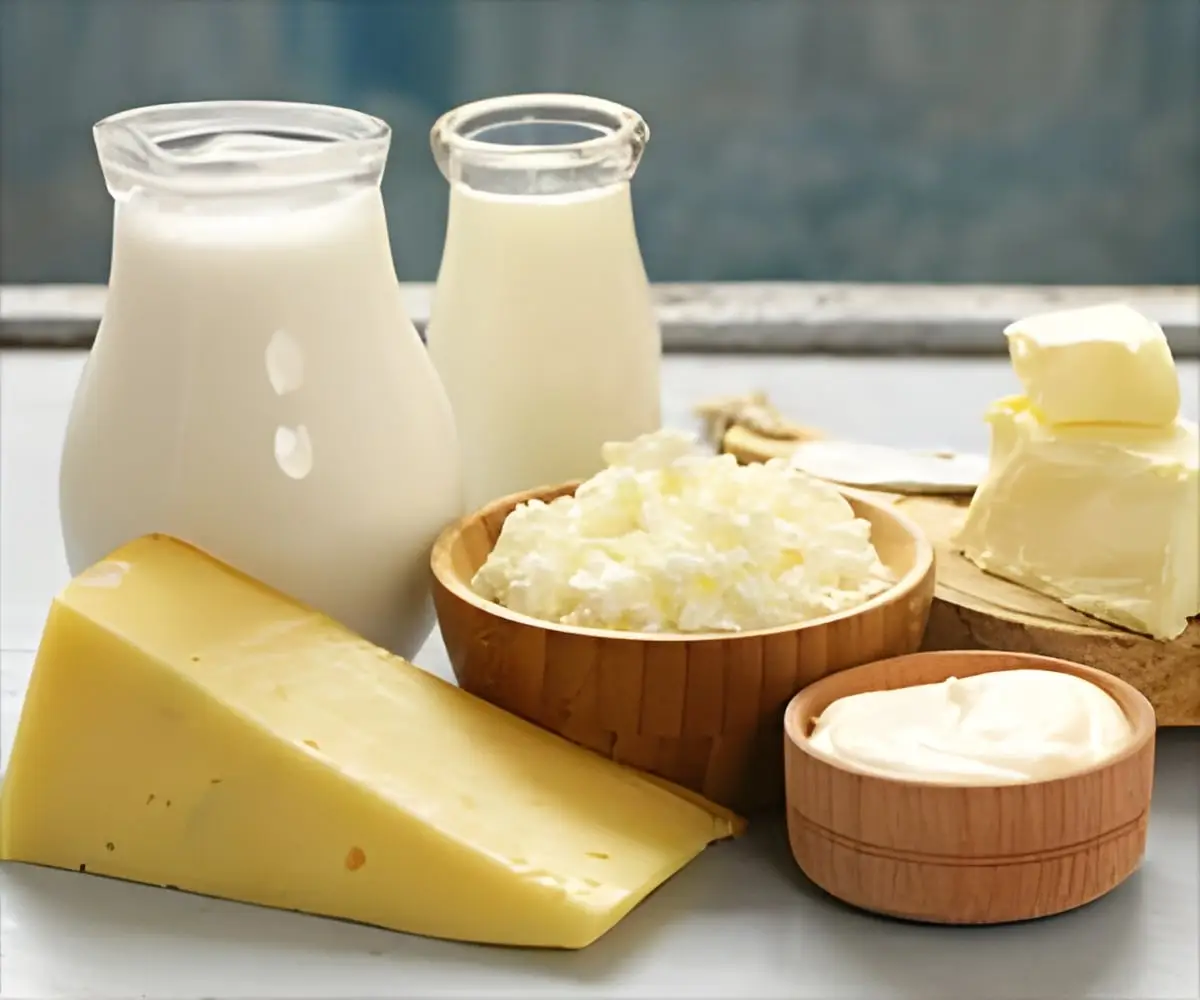
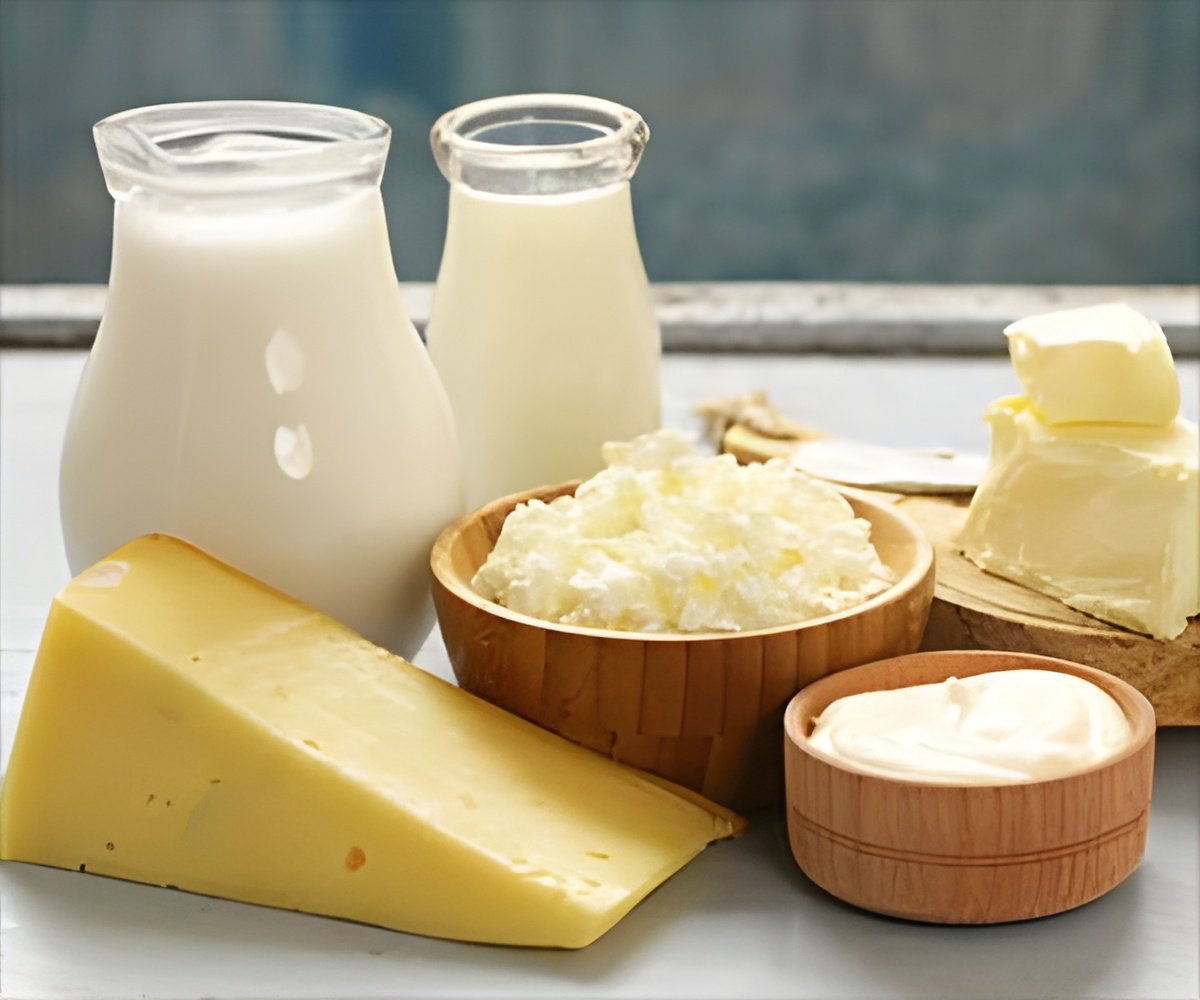
Microbes secretly boost protein in fermented foods. Fermented foods like yogurt, cheese, and bread contain extra protein made by microbes, not just the food ingredients.
Fermented food lovers, rejoice! Scientists at North Carolina State University have discovered that the beneficial microbes in these foods also boost protein levels.
Microbes play a key role in the protein content of fermented foods like yogurt, cheese, and bread.
Advertisement
Fermented Foods Like Yogurt and Cheese Pack More Protein Than You Think
A new study highlights that fermented foods like yogurt, cheese, and bread contain a surprisingly high amount of protein from microbes. These microorganisms, long used in traditional fermentation, are also known for their probiotic and health benefits.
The findings of the study are published in the journal Food & Function (1✔ ✔Trusted Source
Assessing the diversity and functional profile of the ‘microbial proteome’ in fermented foods
Go to source).
Advertisement
Microbial Protein in Fermented Foods
The findings highlight the role of microbial proteins in shaping the nutritional and potential health impacts of fermented foods and could also help pave the way to engineering fermented foods with specific microbial profiles that enhance their beneficial effects.
Advertisement
How Fermentation Enhances Protein Composition
NC State researchers were interested in teasing out how microbial fermentation changes the protein composition of foods and which microbial proteins are ultimately consumed as part of these changed foods.
Using a metaproteomics approach, the researchers combined high-resolution liquid chromatography and mass spectrometry to identify all the food- and microbial-derived proteins in 17 fermented and three non-fermented foods. Dairy milk, tofu and wheat bread comprised the non-fermented foods, while the fermented foods included the fermented derivatives of these substrates such as yogurt, brie cheese, sour cream, plain yeast bread, sourdough bread, tempeh, miso and soy sauce.
Fermentation’s Secret: Microbial Proteins Make a Major Contribution
The striking results showed that microbial proteins contributed up to 11% of the total protein content and up to 60% of the total number of identified proteins in fermented foods.
Manuel Kleiner, an NC State associate professor of plant and microbial biology and co-corresponding author of a paper describing the work, found the results surprising.
“We chose foods that are commonly consumed and are easily accessible at the grocery store,” Kleiner said. “What we found surprising is that a large proportion of protein being eaten as part of these foods is actually microbially derived.
“I found it quite mind boggling how much of the wheat protein in a regular wheat bread is converted into yeast protein, for example,” Kleiner added. “When we eat bread, we actually eat quite a lot of yeast.”
Interestingly, the proportion and diversity of microbial proteins were much higher than the food substrate proteins in five of the fermented foods analyzed. In Brie cheese, for example, out of the 1,573 different proteins present, 1,023 proteins, or 65%, were microbial proteins. This pattern was observed in almost all dairy products studied.
Beyond Probiotics: The Protein Power of Fermented Foods
“This shows that microorganisms not only contribute to the fermentation process itself but also to the overall nutritional and functional profile of fermented food by converting substrate proteins into microbial proteins,” said Ayesha Awan, an NC State Ph.D. candidate and co-corresponding author of the paper. “These results offer future areas for investigation beyond the known probiotic effects of fermented foods, as the microbial proteins consumed as part of these foods may influence the host immune response or interact with the gut microbiota.”
Awan said that next steps in the research could include studying the impacts of fermented food proteins on the gut microbiome of mice to better understand the possible associated health benefits.
Reference:
- Assessing the diversity and functional profile of the ‘microbial proteome’ in fermented foods – (https://pubs.rsc.org/en/content/articlelanding/2026/fo/d5fo05039a)
Source-Eurekalert
Go to Source:https://www.medindia.net/news/from-yogurt-to-cheese-microbes-add-extra-protein-to-fermented-foods-223164-1.htm
Author: