-
 play_arrow
Radio Rehoboth
music_note


Say Goodbye to Peanut Allergy: Crunching Small Amounts Toward a Safer Future
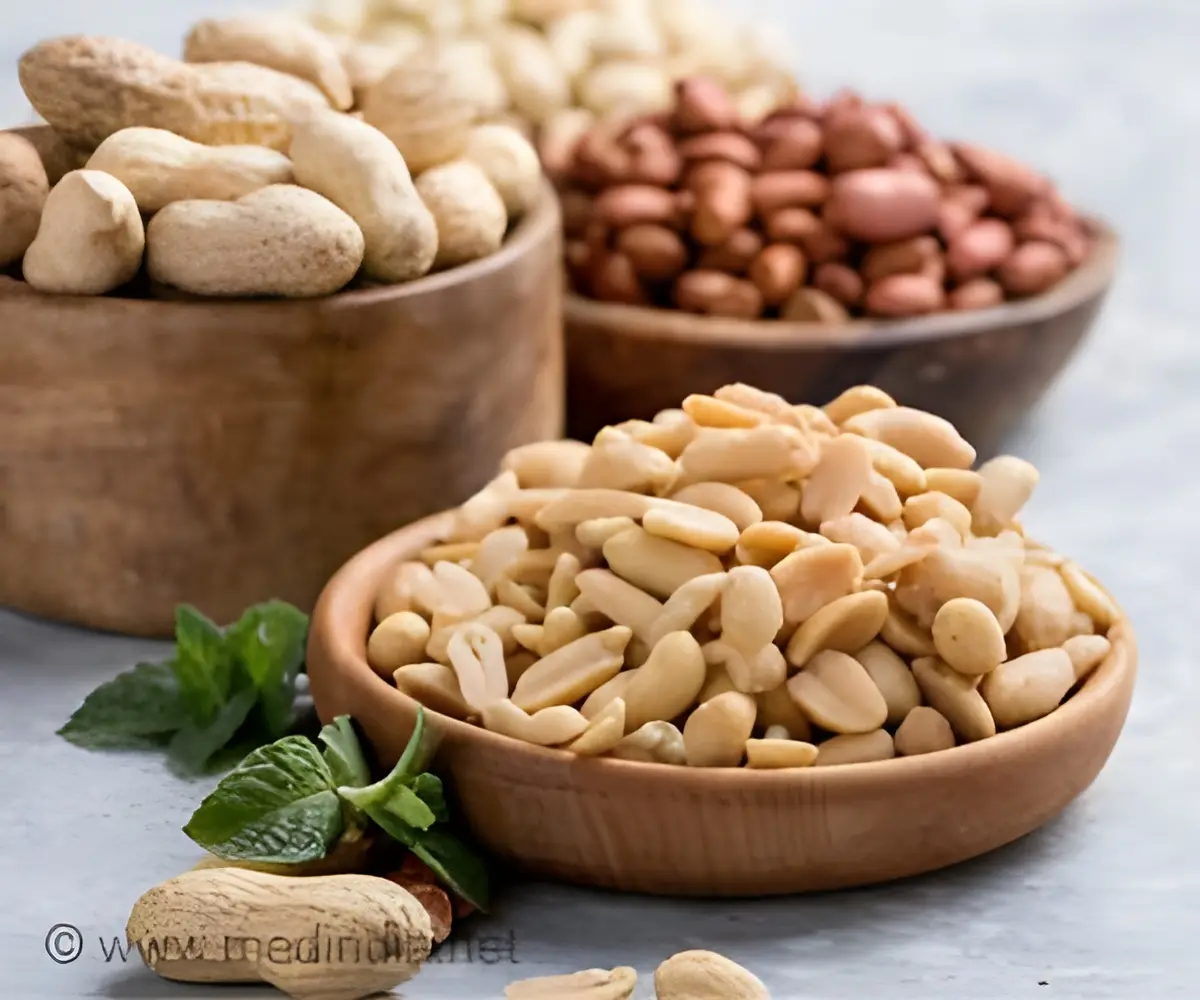

Groundbreaking Karolinska Institutet study shows oral immunotherapy with peanut puffs may safely desensitize toddlers with peanut allergy under controlled clinical conditions.
Peanut allergy is often lifelong and can persist from childhood into adulthood. However, a Swedish study found that almost 82% of toddlers could safely eat peanuts after three years of controlled treatment.
Researchers at Karolinska Institutet treated peanut allergies in children aged 1–3 by giving them very small amounts of peanuts every day. The amount was slowly increased over time, helping the children gradually become able to eat peanuts without reacting.
The results are presented in The Lancet Regional Health – Europe (1✔ ✔Trusted Source
Safety and efficiency of peanut oral immunotherapy in preschool children with slow up-dosing and low maintenance dosing: a randomised controlled trial
Go to source).
Advertisement
Overcoming Peanut Allergy: Kids Safely Eat Peanuts Again
“All children who followed the protocol achieved the goal of eating three and a half peanuts without experiencing an allergic reaction, and most were able to consume up to 25 peanuts,” says Caroline Nilsson, associate professor at the Department of Clinical Science and Education, Södersjukhuset, Karolinska Institutet, and senior consultant at Sachs’ Children and Youth Hospital. “We consider the treatment to be safe if it is carried out under controlled conditions in a healthcare setting.”
Advertisement
Ending Lifelong Peanut Fear: A Step Forward in Managing Severe Peanut Allergy
Peanut allergy is often lifelong and can lead to constant worry about severe allergic reactions. In April 2026, the Swedish National Board of Health and Welfare presented new allergy care guidelines, recommending that more patients be offered treatments that can alter the course of the disease. This includes oral immunotherapy for children with severe peanut allergies, whereby the immune system is desensitised to peanuts through regular exposure.
Advertisement
Peanut Puff Therapy Shows Early Promise in Toddlers
The current study involves 75 children aged 1–3 years in Stockholm, Sweden, with confirmed peanut allergies of varying severity, ranging from mild symptoms to severe allergic reactions upon ingestion. Fifty of the children received active treatment in the form of oral immunotherapy with peanut puffs, while the remaining 25 children in the control group completely avoided peanuts.
Treatment began in hospital with a very low dose and was then continued at home with daily intake. Every four to six weeks, the dose was increased until the children reached a low maintenance dose equivalent to approximately one and a half peanuts per day.
“This is the first randomized study of oral immunotherapy in toddlers involving a slow up-dosing and a low maintenance dose,” says Caroline Nilsson. “The peanut puffs were easily ingested, which made the treatment simple for families to follow, and we were surprised by how positive the results were.”
After three years of treatment, 82 percent of children in the treatment group could eat at least three and a half peanuts without having an allergic reaction, even after taking a four-week break from the treatment. By comparison, only 12 percent of children in the control group could tolerate such quantities.
Peanut Allergy Desensitisation Requires Close Medical Supervision
Side effects occurred but were mild in most cases, such as itching in the mouth or skin rashes. More serious reactions mainly occurred during dose escalation periods, and a few treated children required an adrenaline injection to treat a severe allergic reaction.
The researchers emphasise that treatment must always take place under controlled conditions, in close contact with healthcare professionals and with medical follow-up.
“The cautious treatment approach appears to play an important role in safety, but this is not something that parents should attempt at home, as serious reactions can still occur,” says Anna Asarnoj, associate professor at the Department of Women’s and Children’s Health, Karolinska Institutet, and senior consultant at Astrid Lindgren Children’s Hospital, Karolinska University Hospital, who led the study together with Caroline Nilsson.
The next step is to analyse how the immune system changes during treatment, and to observe the children over a longer period to determine whether tolerance persists.
The children were identified via the Karolinska University Hospital laboratory, which analyses samples from various levels of care. They were then treated at the research unit at Sachs’ Children and Youth Hospital, Södersjukhuset, in Stockholm. The research was funded by a private donation, Region Stockholm (ALF funds) and the Swedish Asthma and Allergy Association. Some of the paper’s authors state that they have received fees from pharmaceutical companies, but these are unrelated to the current study.
Reference:
- Safety and efficiency of peanut oral immunotherapy in preschool children with slow up-dosing and low maintenance dosing: a randomised controlled trial – (https://www.thelancet.com/journals/lanepe/article/PIIS2666-7762(26)00102-X/fulltext)
Source-Eurekalert
Go to Source:https://www.medindia.net/news/say-goodbye-to-peanut-allergy-crunching-small-amounts-toward-a-safer-future-223321-1.htm
Author: