-
 play_arrow
Radio Rehoboth
music_note


Court validates split rates for New Castle County school tax
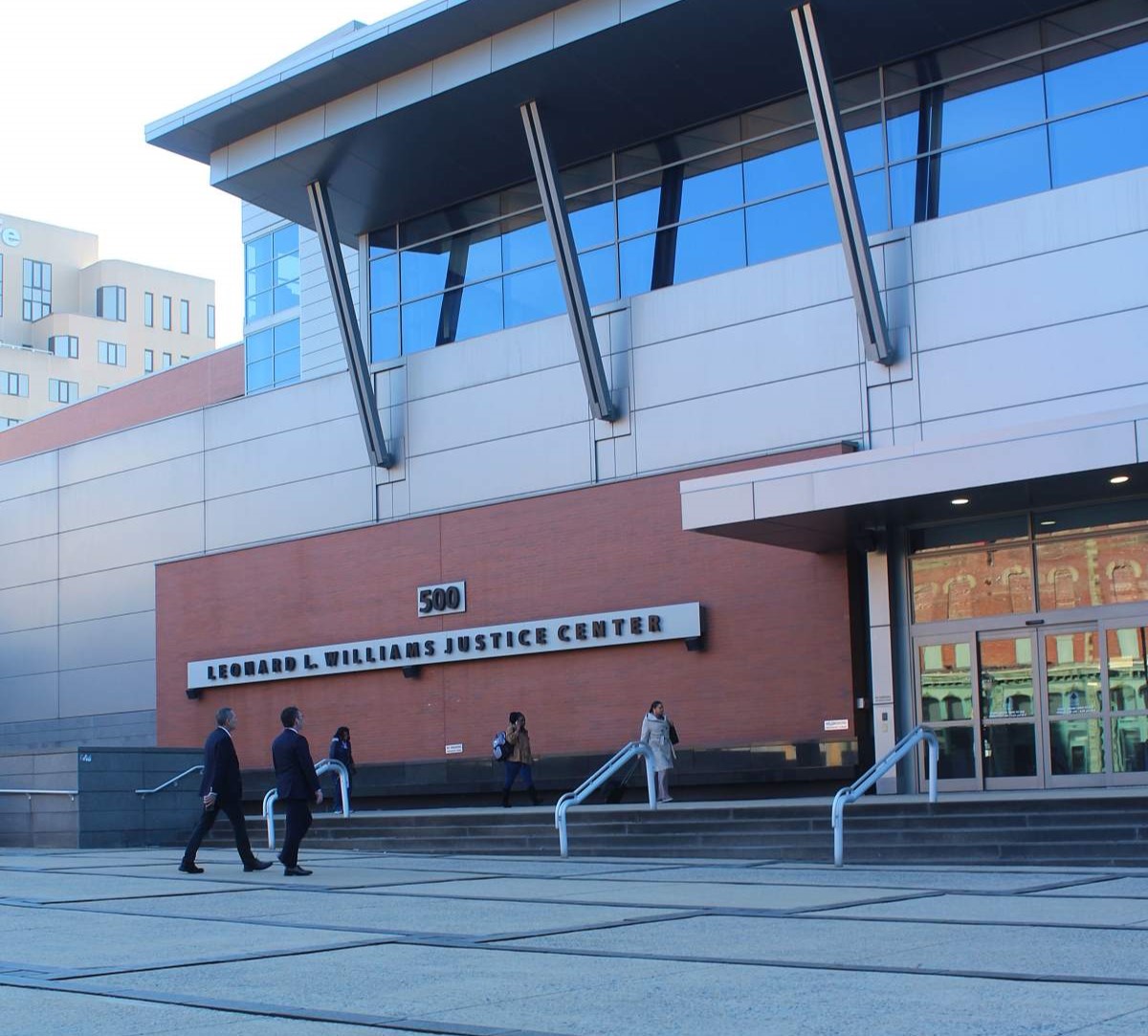
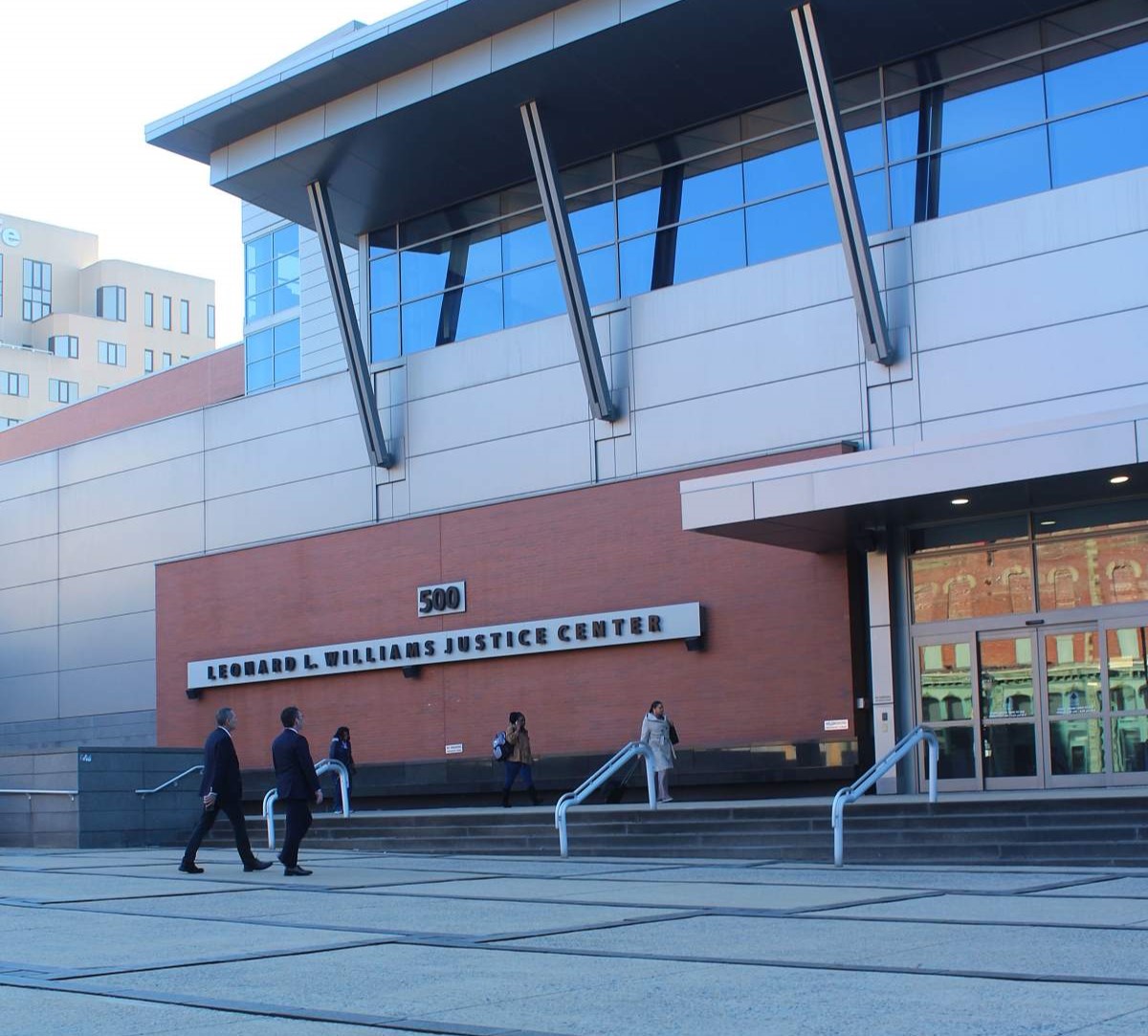
WILMINGTON – A Delaware Court of Chancery ruling issued late Thursday afternoon has found that state legislators’ efforts to reset New Castle County school tax rates were constitutional.
The ruling means that House Bill 242 will stand, splitting school tax rates between residential and nonresidential properties and finally providing the county with calculations needed to issue new tax bills in the coming days and weeks.
“Our team is working diligently to determine how quickly new bills can be sent to property owners,” said county spokeswoman Natalie Criscenzo. “Our focus remains on ensuring a fair, transparent, and equitable property tax system that serves all County residents.”
According to the law, payment on those tax bills will be due Nov. 30. The law only applies to the 2025-2026 taxable year. The county did not respond to a question about how quickly those bills can now be issued. But the bills will likely be different from what taxpayers received over the summer as the school tax burden now shifts more to commercial properties.
Delaware’s three counties each independently reassessed properties for the first time since the early 1980s due to a previous court ruling that found a lack of reassessment had led to decades worth of inequalities in the way property taxes have failed to fund public school districts.
As a result of the recent reassessment, homeowners in New Castle County saw their tax burdens climb over 400%.
When New Castle County originally sent this year’s property tax bills out in July, public outcry prompted state lawmakers to seek solutions to ease the burden created by significantly higher property values, particularly for residential property owners.
A slate of laws was passed in mid-August during a 12-hour special session as a way to relieve homeowners. That included House Bill 242, which allows New Castle County schools to split rates between residential and non-residential properties. A month later, the Delaware Apartment Association, Newark Property Association, Delaware Hotel & Lodging Association and First State Manufactured Housing Association sued the state, two New Castle County officials and the county school boards to challenge the constitutionality of the new law allowing those split rates.
“In resolving their claims, it is not my job to decide whether HB242 is fair or wise policy,” Vice Chancellor Lori Will wrote in her decision. “The question before me is a legal one: does HB242, or the way the County and school boards are implementing it, violate the United States Constitution, the Delaware Constitution, or state statutes?”
The answer, she wrote, is that it did not.
The plaintiffs in the case tried to argue that tax rates couldn’t be split between different types of properties, but Will found that nothing the General Assembly did in creating HB242 was “unreasonable or arbitrary” and that the law’s differentiation between residential and non-residential property for tax purposes is permissible according to the Delaware Constitution.
The court’s Oct. 30 ruling came less than two weeks after a one-day trial on a paper record based on hundreds of documents was held in Wilmington. There were no witnesses during the Oct. 20 trial, but rather hours of legal debate about the constitutionality of split rates and revelations that nearly 1,000 non-residential properties are set to face even steeper bills due to an unexpected reclassification.
In the lawsuit, many apartment complex owners maintained that the drastic shift in taxes created by HB 242 would drastically throw off fixed costs for renovation, construction and maintenance for their buildings. Others like Goldcrest Properties, which owns the Garrison in New Castle, said that the tens of thousands in extra expenses the new split rates would create just two months before tax bills were due would likely slow down debt payments on loans.
While the county itself also splits rates, the difference is a matter of about 5 cents per $100 of assessed value between residential and non-residential properties. When the school districts reset their tax rates thanks to HB 242, some districts calculated new non-commercial tax rates that ended up at 80% or even 98% greater than the residential rates. The districts also took advantage of a rule that allows them to increase school tax rates by 10% following a reassessment.
During the course of the case, the county revealed that it had misclassified some 1,400 properties – 966 of which were marked as residential but should have been labeled, and taxed, as non-residential. The misclassified properties account for 0.65% of the more than 213,000 parcels in New Castle County.
“The errors complained of in the statewide property database are not systemic or pervasive, but correctable,” Will wrote of those misclassified properties. “This error rate does not suggest that the statute is being applied in an irrational or ‘clearly arbitrary’ manner. It merely demonstrates administrative difficulties.”
The county on Oct. 14 posted a new policy and procedure for property owners to contest those reclassifications, outside of the already existing formal process for reassessment appeals.
Will’s ruling also orders New Castle County to include a notice of potential property reclassification and a description of its policy on property reclassification.
In response to public outcry about the reassessment’s outcome, particularly in New Castle County, lawmakers convened joint reassessment committees to explore the challenges and prepare for the next time the counties are required to reassess properties. The Delaware legislature has delayed meetings of those joint reassessment committees pending this lawsuit’s outcome. On Thursday, Senate Democrats issued a statement that the Nov. 4 meeting was being canceled, but that up to three hearings will still be held before year’s end.
“As legislative leaders, it is our obligation to work swiftly on behalf of the people of Delaware — but even in doing so, we believed that the legislative solutions we put forward during the August 12 special session were sound, responsive, and ultimately going to provide the greatest immediate relief to the households that were disproportionately burdened by a shift in valuations from non-residential to residential properties,” lawmakers said in a joint statement.
The Senate Democrats said even with the decision, their work was not done as it plans to set new hearing dates on a “fair, transparent and reliable” reassessment. Rep. Mike Smith (R-Pike Creek) and Sen. Kevin Hensley (R-Middletown/Odessa) called for new assessment, citing the flawed process that set the new property valuations that has been questioned since this summer.
Go to Source:https://delawarebusinesstimes.com/news/court-validates-split-rates-for-new-castle-county-school-tax/
Author: Maddy Lauria
Similar posts


Top popular
Matt Damon Discusses Working With Wife Luciana on ‘The Instigators’

Listen to Jane Remover’s New Songs “Flash in the Pan” and “Dream Sequence”
NFL Week 17 highlights: Packers, 49ers, Saints, Steelers win, Cardinals stun Eagles

Demo underway on Sea Esta Motel in Dewey

Watch MexikoDro’s Video for New Song “Marta”