-
 play_arrow
Radio Rehoboth
music_note


Do Calorie Labels Help People With Binge Eating Disorder?
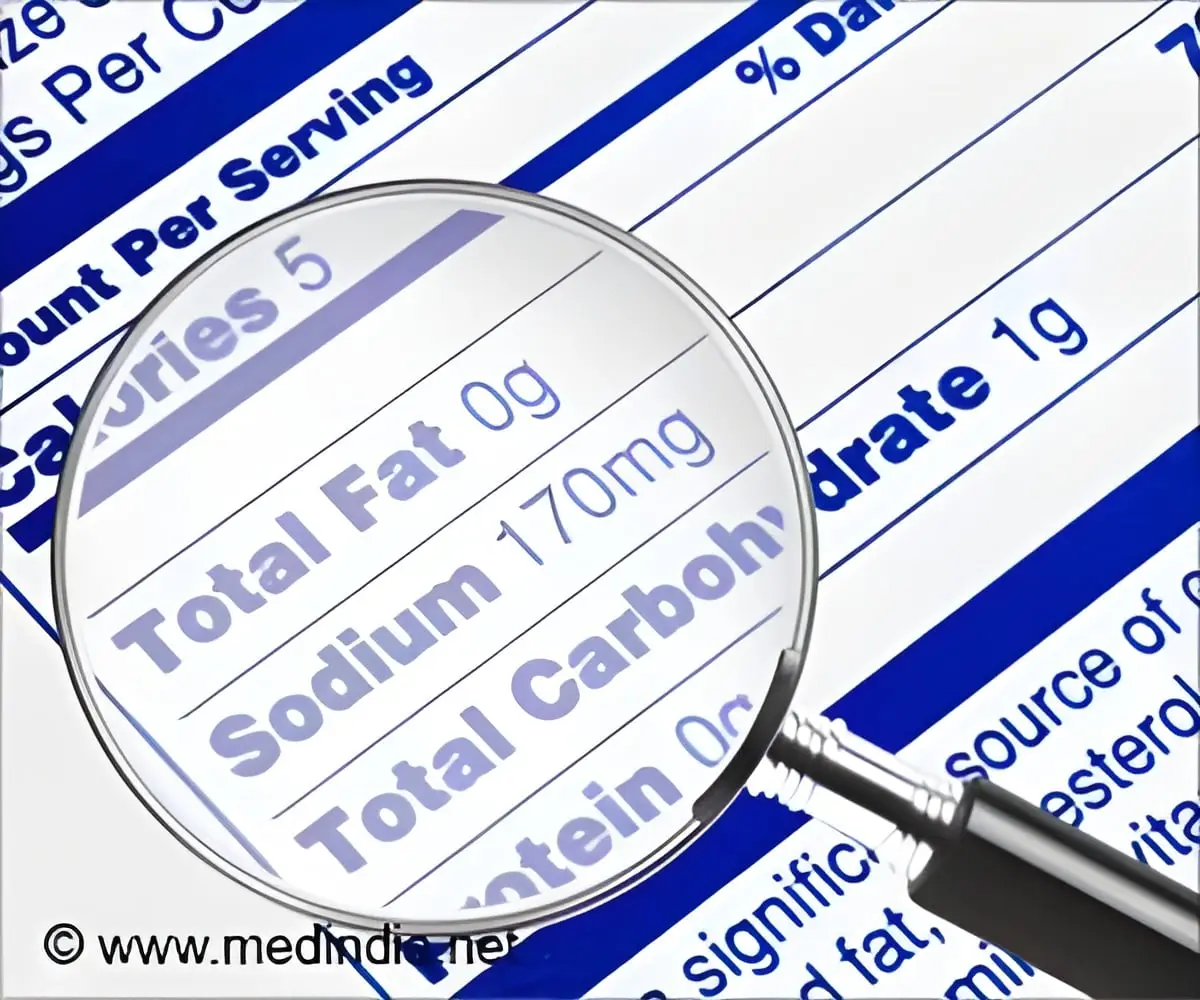
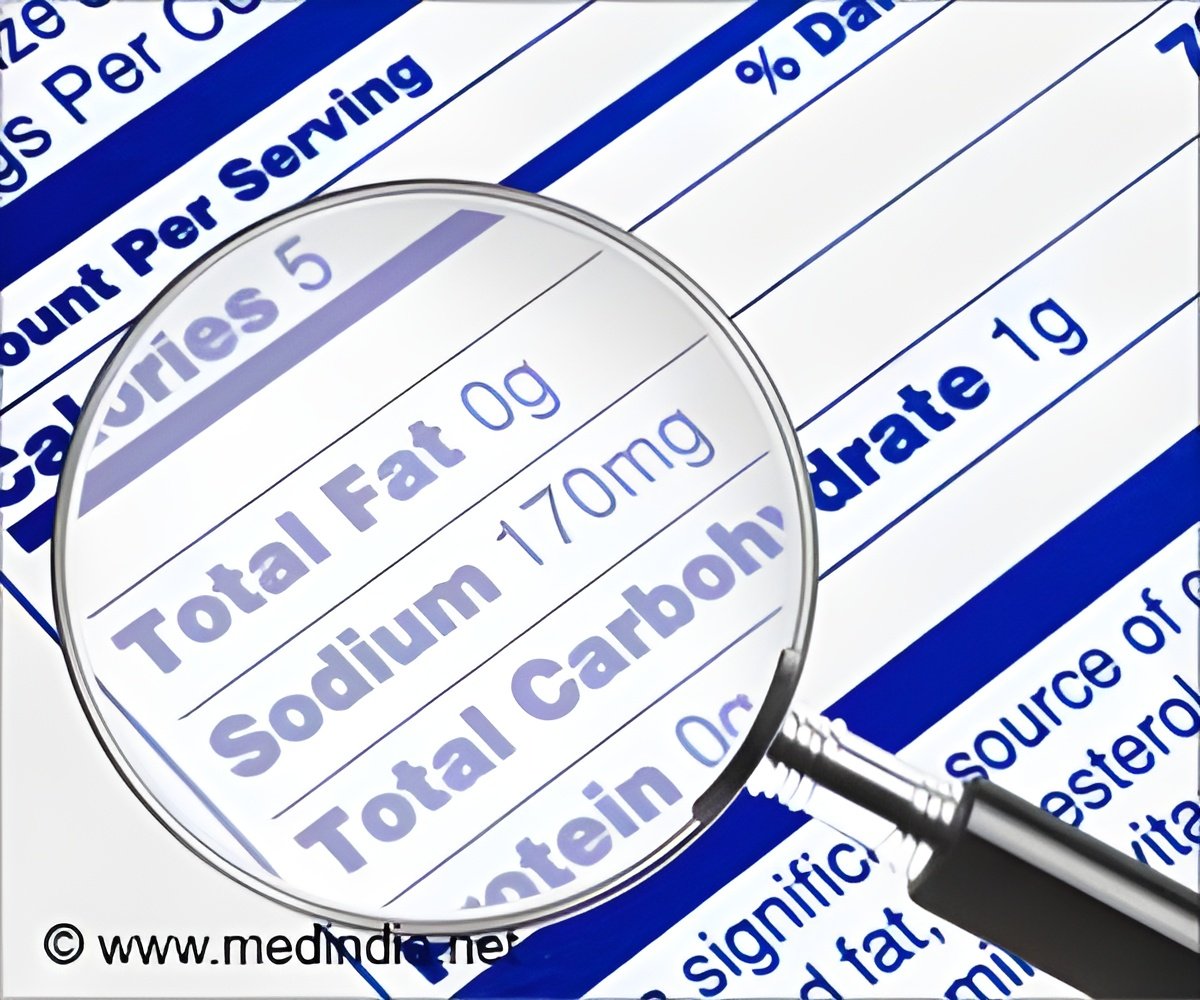
Calorie labels on restaurant menus may support binge eating disorder recovery while improving control over food choices.
Binge eating disorder patients are more likely to find menu calorie labels helpful, suggests a new study.
The findings of the study are published in the journal BMJ Public Health (1✔ ✔Trusted Source
Views of people with disordered eating on current and alternative out-of-home calorie labelling policies in England: A mixed-methods survey
Go to source
).
Advertisement
Are Calorie Labels Good for People with Eating Disorders?
Food calorie labels on menus in cafés and restaurants may play a supportive role for individuals with binge eating disorder, potentially contributing to their recovery, according to new research conducted by University College London and King’s College London.
For the study, the researchers surveyed 1,001 people aged 16 or over who lived in England and had experienced disordered eating. Since 2022, all restaurants, take-aways and cafes in England with 250 employees or more have had to display the calories of the food and drink they sell on menus, online menus and take-away platforms as part of measures to curb obesity and encourage health eating.
Of those surveyed, half said calorie labels made their eating disorder symptoms worse, a quarter (24 percent) had a neutral attitude towards them and the remaining quarter (26 percent) viewed them positively.
Those more likely to have positive views were participants who binge ate regularly, were older, male and had a higher body mass index. They said they felt reassured by seeing calorie labels on restaurant menus because it gave them a sense of control about what they were eating.
By contrast, people with restrictive eating disorders, such as anorexia nervosa, were more likely to have negative views.
Advertisement
Eating Disorders and Relapse: What You Need to Know
Eating disorders, which as well as binge eating disorder and anorexia nervosa include bulimia nervosa, are one of the deadliest forms of mental illness and relapses are common.
The study, which was funded by the National Institute for Health and Care Research, also looked at alternatives to calorie labels – when ranking different nutritional label policies, optional calorie labels were the most popular policy with participants, with 63.6% ranking the policy in their top three options.
The Government is due to publish a review of the effectiveness of the policy in England by April 2027 and the researchers say optional calorie labels displayed, for example, via Quick Response (QR) codes would be more acceptable to people with eating disorders and could minimise negative impacts while retaining information for people who find calorie labels helpful. Approaches that emphasised broader nutritional benefits of menu items also received support.
Advertisement
Are Food Calorie Labels Helping or Hurting?
First author Dr. Nora Trompeter (UCL Great Ormond Street Institute of Child Health) said: “The bottom line is that people with eating disorders have a variety of views about calorie labels, but people with binge eating are more likely to find them helpful.
“People with binge eating are under-represented in most research, but more than half our sample reported regular binge eating.
“We hope our findings can inform the Government’s policy going forwards.”
Corresponding author Dr. Tom Jewell, Senior Lecturer in Child and Adolescent Mental Health at King’s College London, said: “Our findings provide important insights for evaluating both the effectiveness and implementation of the policy in England, given the unintended negative consequences experienced by a vulnerable group in the population.
Eating Disorders: High Relapse Rates Highlight Need for Better Policy Support
“Eating disorders are highly recurrent in nature with approximately 30% to 40% of patients relapsing within 10 years of successful treatment.”
“Public health policies need to consider not only the needs of people with current eating disorders, but also those with past histories, to reduce risk of relapse and aid recovery.”
Most of the people who took part in the study had received an eating disorder diagnosis from a health professional. The study is the first of its kind to include children (≥16 years).
Restaurant Calorie Labels: Anxiety Trigger for Some, Relief for Others
Out of all the participants, those most likely to report negative impacts were people with restrictive eating disorders, those who had received treatment for an eating disorder, and those reporting higher levels of clinical impairment.
In terms of those who found them unhelpful, that category split into three groups: a moderately negative group; those who were highly negative and avoided venues with calorie labels; and those who were highly negative but did not avoid venues with calories labels.
Positive comments from participants included: “For the first time since developing my eating disorder, I am able to go out and eat at restaurants without fear and anxiety.”
Another participant said: “For me, calories on menus enable me to eat at restaurants with friends, family and colleagues with minimal anxiety.”
Overall, there was a broad desire for policies that provide personal choice over whether nutritional information is presented, allowing greater agency while reducing distress.
Reference:
- Views of people with disordered eating on current and alternative out-of-home calorie labelling policies in England: A mixed-methods survey – (https://kclpure.kcl.ac.uk/portal/en/publications/views-of-people-with-disordered-eating-on-current-and-alternative/)
Source-Eurekalert
Go to Source:https://www.medindia.net/news/do-calorie-labels-help-people-with-binge-eating-disorder-223059-1.htm
Author: