-
 play_arrow
Radio Rehoboth
music_note


Doulas fill growing need in Delaware
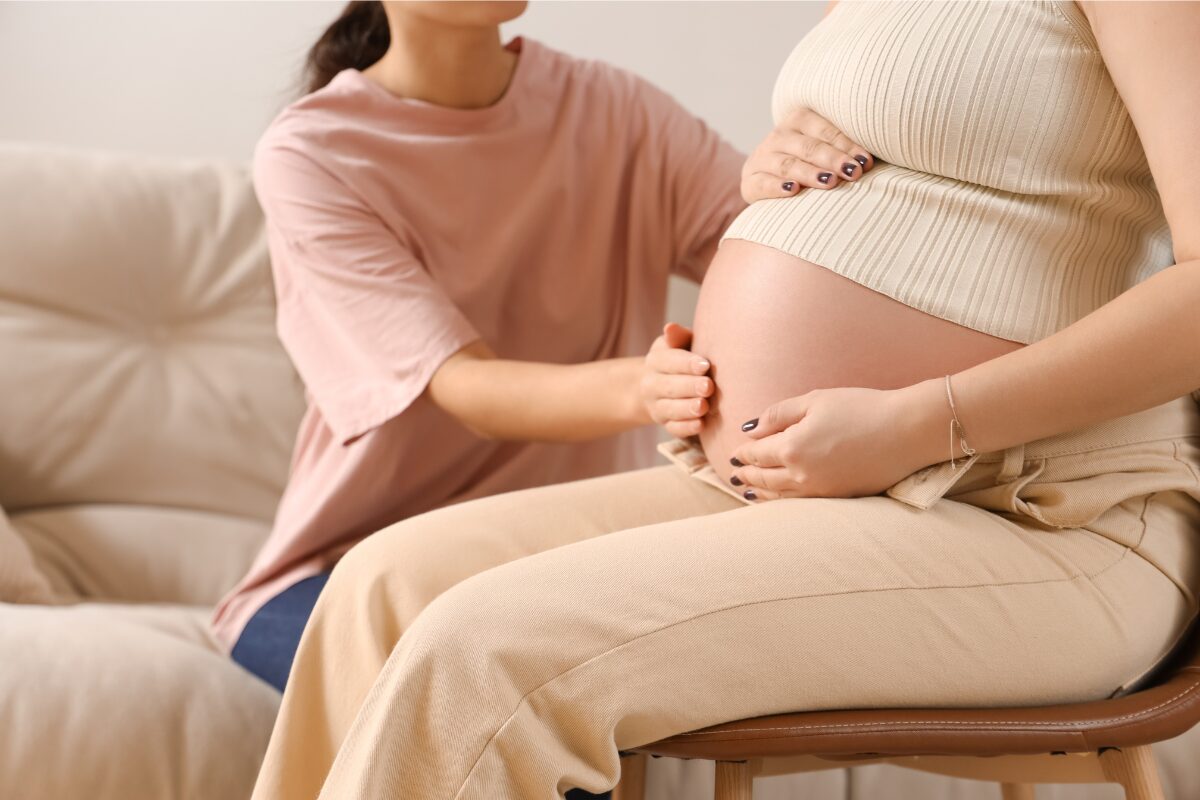
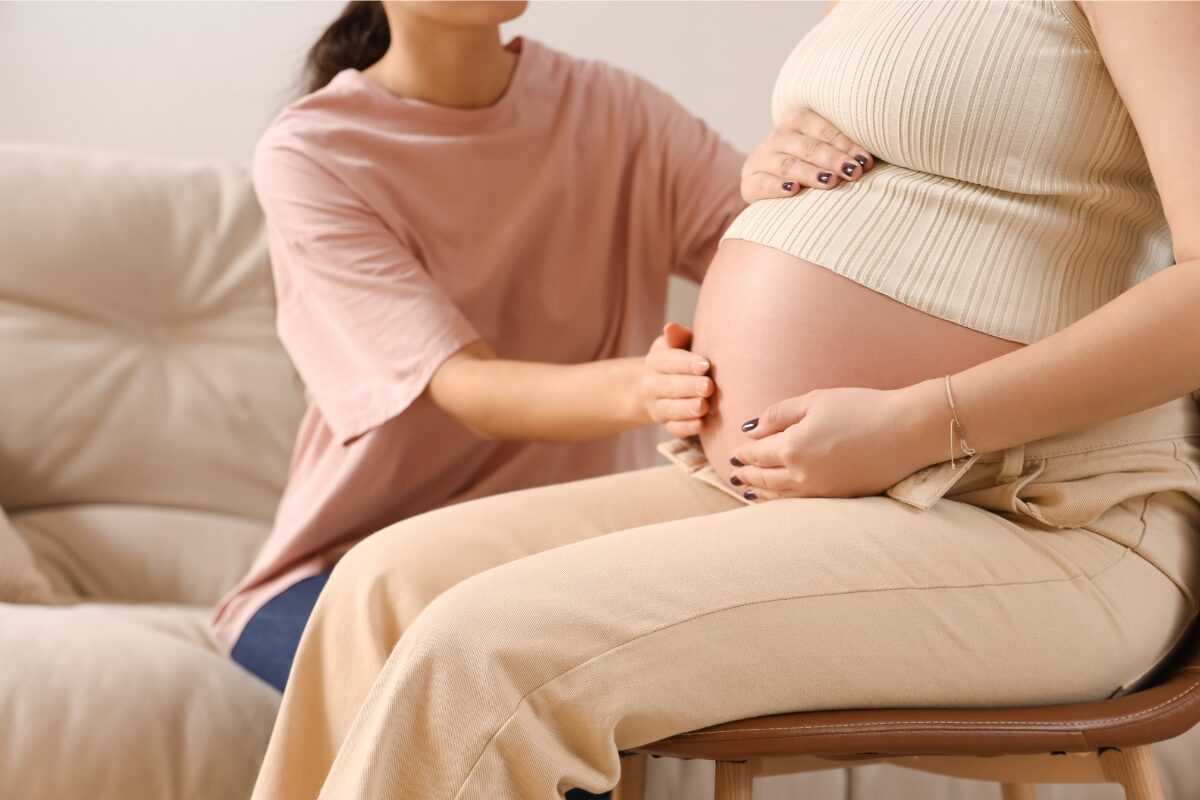
For centuries, women have guided one another through childbirth. It’s only in the last 50 years or so that the practice transformed into the growing profession of doulas.
Doulas are trained professionals who work with mothers-to-be and their immediate families to provide physical, emotional and informational support during and shortly after childbirth. Delaware hospitals are becoming more open to doulas but are still developing formal policies on their role in the delivery room.
Studies show that women who have support and are better educated about their pregnancies tend to have better labor and delivery outcomes, said Rosi Ramos, a doula who practices out of Dover through Do Care Doula Foundation.
The Delaware infant mortality rate in 2023 was 6.1 deaths for every 1,000 live births, higher than the national average of 5.6. Doulas help prepare women for giving birth, Ramos said.
“You don’t run a marathon by just showing up,” Ramos said. “You prepare for it.”
Becoming a doula is not a get-rich quick profession. Doulas are not medical professionals; they are not midwives, and they are not usually full-time providers. Most doulas practice their profession as a side or part-time job. Some have been known to work for free and even barter for their services.
Someone who wants to be a doula must have “her heart in the right place,” Ramos said. “It’s a service of love.”
It’s a service that’s becoming more in demand in Delaware. Sara Korbett, who’s been a doula for eight years and works as the scheduler for The Birth Center in Newark, has a full caseload. She has four to five clients per month. Even so, she says she’s never made more than $40,000 per year. Korbett said she can do the work because she’s not her family’s breadwinner.
The Birth Center charges a flat rate of $1,400 to hire one of its doulas or $800 if someone is willing to accept whatever doula from the center is on call when labor begins. The fee includes pre-natal visits to create and review a birth plan, labor and delivery services and a post-partum visit a week after delivery.
Since babies don’t stick to a schedule, doulas tend to be on call.
“We are seeing a growing demand,” said Erica M. Allen, founder and director of Do Care Doula Foundation. The organization’s mission is to train doulas to join the profession and improve birthing services for underserved communities. That’s becoming a reality now.
The foundation trained its 100th doula in October.
In addition, Delaware now requires Medicaid and private insurers to cover doula services, making it more affordable for patients, but doulas have to be certified to take advantage of that. That certification requires doulas get training in lactation support, childbirth education, nonmedical comfort measures, prenatal and postpartum care, labor techniques, and participation in at least three births.
Many doulas oppose the accreditation requirement, arguing that low reimbursement rates don’t justify certification programs that cost $500 to $1,200. The three-birth requirement is often met by providing services for free, Allen said.
Medicaid also typically reimburses less than private clients pay, and doulas often find that most families must seek insurance reimbursement rather than receiving coverage upfront.
Even so, Korbett hopes more women choose to become doulas—and to use them.
“Our doula hearts want to serve all families,” Korbett said.
Go to Source:https://delawarebusinesstimes.com/news/doulas-growing-need-delaware/
Author: Kim Hoey Stevenson
Similar posts

-

Legends of Disco
With DJ Tim
Listen and Dance to the Award Winning “Legends Of Disco” Show as he features the Best Of Classic Disco, Dance and R & B. on Thursdays from 8 pm to 11 pm. The passion, the knowledge, the memories! Tim hails from Philadelphia PA and now resides in Rehoboth Beach DE. He is having the time of his life and living his dream being your radio DJ.
close Top popular
Matt Damon Discusses Working With Wife Luciana on ‘The Instigators’

Listen to Jane Remover’s New Songs “Flash in the Pan” and “Dream Sequence”
NFL Week 17 highlights: Packers, 49ers, Saints, Steelers win, Cardinals stun Eagles

Demo underway on Sea Esta Motel in Dewey

Watch MexikoDro’s Video for New Song “Marta”