-
 play_arrow
Radio Rehoboth
music_note


Fatty Diet Crisis: Why Liver Cells Trade Function for Survival
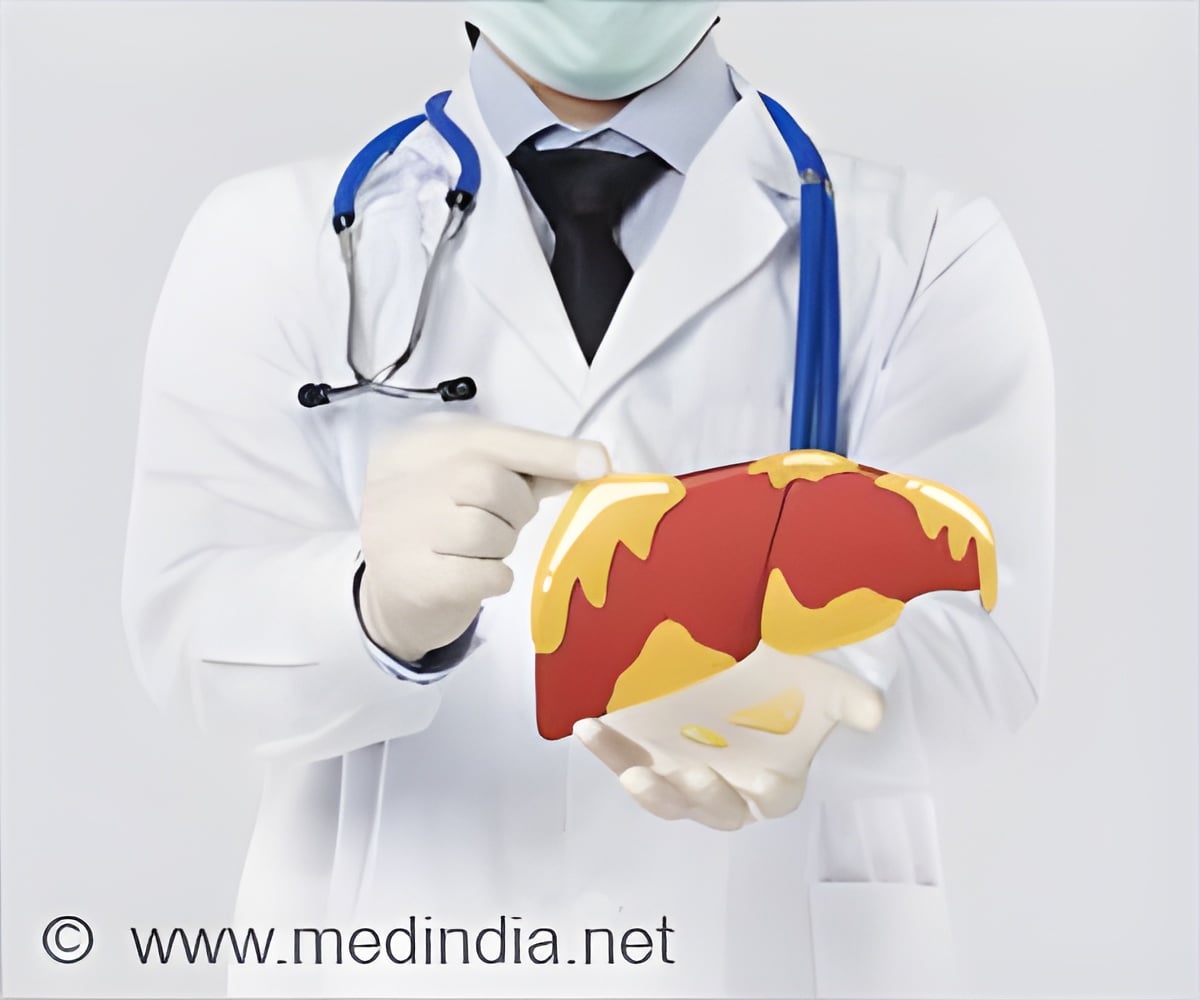
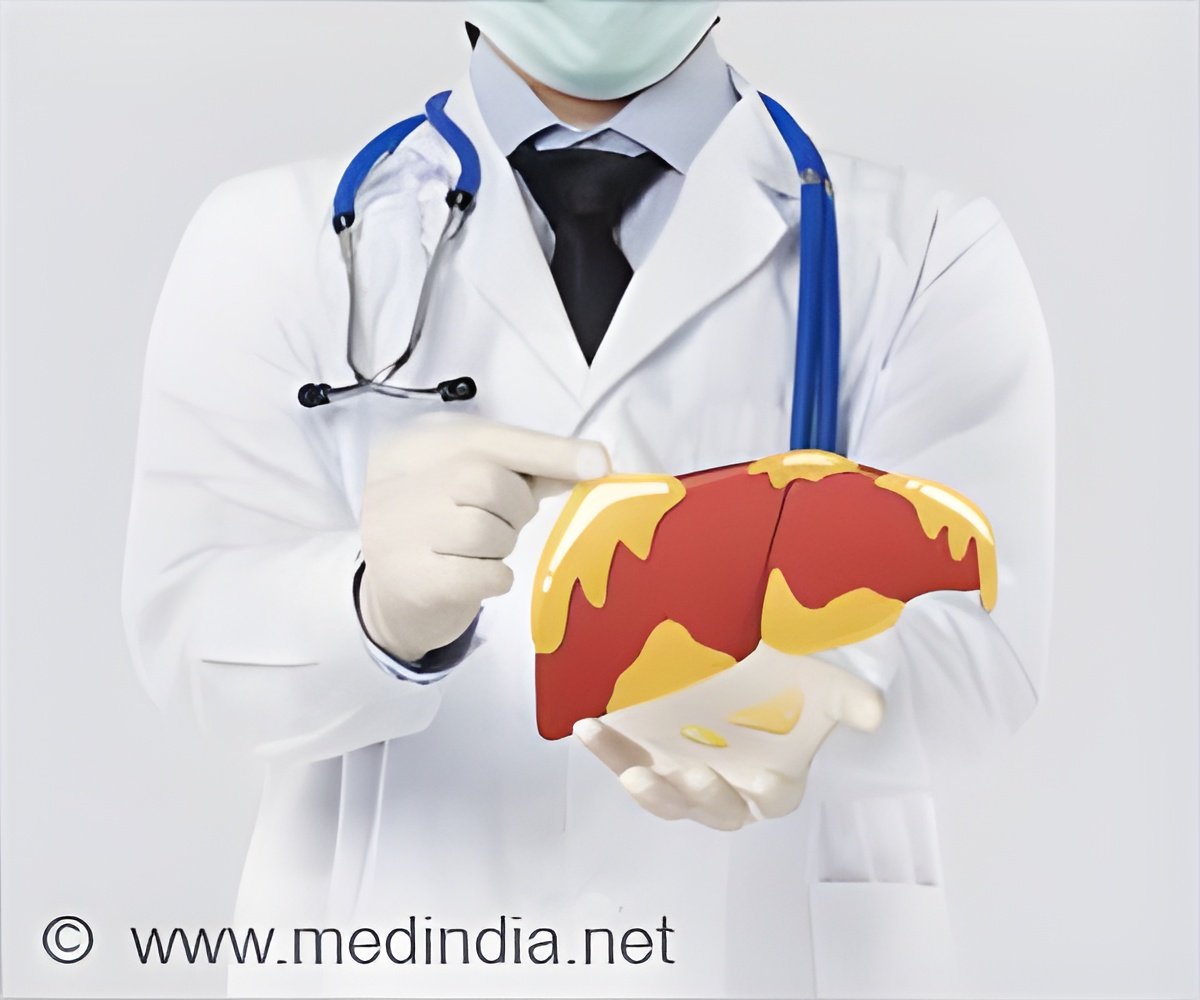
A high-fat food regimen may rewire liver cells from function to self-preservation, leading to mutations and then to cancer.
High-fat diet routines physically affect liver cells by causing inflammation. To endure the fatty diet stress, mature liver cells shift to “survival mode,” (a baby-like immature state) rather than maintaining their normal functioning. (1✔ ✔Trusted Source
Hepatic adaptation to chronic metabolic stress primes tumorigenesis
Go to source
)
While this transformation helps cells to overcome metabolic stress, the dangerous shift in liver cells leads to unexpected mutations and genetic expression, significantly making them more susceptible to liver damage, liver cirrhosis, and then to liver cancer.
The findings were based on a study led by researchers from Massachusetts Institute of Technology and published in the journal Cell.
Researchers have analyzed specific gene switches that can drive this reversion, paving the way for new therapies and drug design to block this survival path and prevent tumor development in patients with liver conditions.
The study suggests that prioritizing weight-loss and low-fat diet could help overcome liver damages.
TOP INSIGHT

Did You Know?
Survival mode is a danger zone. Long-term #fatty_diets and alcohol cause #inflammation in liver cells, stopping them from working to stay alive, triggering #liver_cirrhosis and cancer. Managing weight is a key to reverse the risk. #fattyliver #survivalmode #cancer_prevention #hepatology
Tracing the Gene Expression From Inflammation to Liver Cancer
A high-fat diet can lead to inflammation and buildup of fat in the liver, a condition known as steatotic liver disease. This disease, which can also be caused by a wide variety of long-term metabolic stresses such as high alcohol consumption, may lead to liver cirrhosis, liver failure, and eventually cancer.
In the new study, the researchers wanted to figure out just what happens in cells of the liver when exposed to a high-fat diet — in particular, which genes get turned on or off as the liver responds to this long-term stress.
To do that, the researchers fed mice a high-fat diet and performed single-cell RNA-sequencing of their liver cells at key timepoints as liver disease progressed. This allowed them to monitor gene expression changes that occurred as the mice advanced through liver inflammation, to tissue scarring and eventually cancer.
Liver Cells Prioritize Survival than Function to Fight Metabolic Stress
In the early stages of this progression, the researchers found that the high-fat diet prompted hepatocytes, the most abundant cell type in the liver, to turn on genes that help them survive the stressful environment. These include genes that make them more resistant to apoptosis and more likely to proliferate.
At the same time, those cells began to turn off some of the genes that are critical for normal hepatocyte function, including metabolic enzymes and secreted proteins.
“This really looks like a trade-off, prioritizing what’s good for the individual cell to stay alive in a stressful environment, at the expense of what the collective tissue should be doing,” Tzouanas says.
Liver Cells’ Survival Mode Turn Immature cells into Tumors
Some of these changes happened right away, while others, including a decline in metabolic enzyme production, shifted more gradually over a longer period. Nearly all of the mice on a high-fat diet ended up developing liver cancer by the end of the study.
When cells are in a more immature state, it appears that they are more likely to become cancerous if a mutation occurs later on, the researchers say.
“These cells have already turned on the same genes that they’re going to need to become cancerous. They’ve already shifted away from the mature identity that would otherwise drag down their ability to proliferate,” Tzouanas says.
“Once a cell picks up the wrong mutation, then it’s really off to the races and they’ve already gotten a head start on some of those hallmarks of cancer.”
Targeting the Survival Switches May Block the Liver Cancer Pathway
The researchers also identified several genes that appear to orchestrate the changes that revert hepatocytes to an immature state.
While this study was going on, a drug targeting one of these genes (thyroid hormone receptor) was approved to treat a severe form of steatotic liver disease called MASH fibrosis. And, a drug activating an enzyme that they identified (HMGCS2) is now in clinical trials to treat steatotic liver disease.
Another possible target that the new study revealed is a transcription factor called SOX4, which is normally only active during fetal development and in a small number of adult tissues (but not the liver).
Patients’ Genomic Data Can Help Predict Patients’ Survival Outcomes
After the researchers identified these changes in mice, they sought to discover if something similar might be happening in human patients with liver disease.
To do that, they analyzed data from liver tissue samples removed from patients at different stages of the disease. They also looked at tissue from people who had liver disease but had not yet developed cancer.
Those studies revealed a similar pattern to what the researchers had seen in mice: The expression of genes needed for normal liver function decreased over time, while genes associated with immature states went up. Additionally, the researchers found that they could accurately predict patients’ survival outcomes based on an analysis of their gene expression patterns.
How Diet and Lifestyle Shorten the Survival Window
“Patients who had higher expression of these pro-cell-survival genes that are turned on with high-fat diet survived for less time after tumors developed,” Tzouanas says. “And if a patient has lower expression of genes that support the functions that the liver normally performs, they also survive for less time.”
While the mice in this study developed cancer within a year or so, the researchers estimate that in humans, the process likely extends over a longer span, possibly around 20 years.
That will vary between individuals depending on their diet and other risk factors such as alcohol consumption or viral infections, which can also promote liver cells’ reversion to an immature state.
Proper Diet, Lifestyle, and Weight Loss Drugs Can Help Prevent Liver Cancer Risk
The researchers now plan to investigate whether any of the changes that occur in response to a high-fat diet can be reversed by going back to a normal diet, or by taking weight-loss drugs such as GLP-1 agonists.
They also hope to study whether any of the transcription factors they identified could make good targets for drugs that could help prevent diseased liver tissue from becoming cancerous.
“We now have all these new molecular targets and a better understanding of what is underlying the biology, which could give us new angles to improve outcomes for patients,” Shalek says.
Reference:
- Hepatic adaptation to chronic metabolic stress primes tumorigenesis – (https://www.cell.com/cell/fulltext/S0092-8674(25)01366-2?_returnURL=https%3A%2F%2Flinkinghub.elsevier.com%2Fretrieve%2Fpii%2FS0092867425013662%3Fshowall%3Dtrue)
Source-Eurekalert
Go to Source:https://www.medindia.net/news/fatty-diet-crisis-why-liver-cells-trade-function-for-survival-222017-1.htm
Author:


-

Legends of Disco
With DJ Tim
Listen and Dance to the Award Winning “Legends Of Disco” Show as he features the Best Of Classic Disco, Dance and R & B. on Thursdays from 8 pm to 11 pm. The passion, the knowledge, the memories! Tim hails from Philadelphia PA and now resides in Rehoboth Beach DE. He is having the time of his life and living his dream being your radio DJ.
close Top popular
Matt Damon Discusses Working With Wife Luciana on ‘The Instigators’

Listen to Jane Remover’s New Songs “Flash in the Pan” and “Dream Sequence”
NFL Week 17 highlights: Packers, 49ers, Saints, Steelers win, Cardinals stun Eagles

Demo underway on Sea Esta Motel in Dewey

Watch MexikoDro’s Video for New Song “Marta”