-
 play_arrow
Radio Rehoboth
music_note


Vitamin D Levels Doubled in Milk to Help Change Teen Health Across Canada
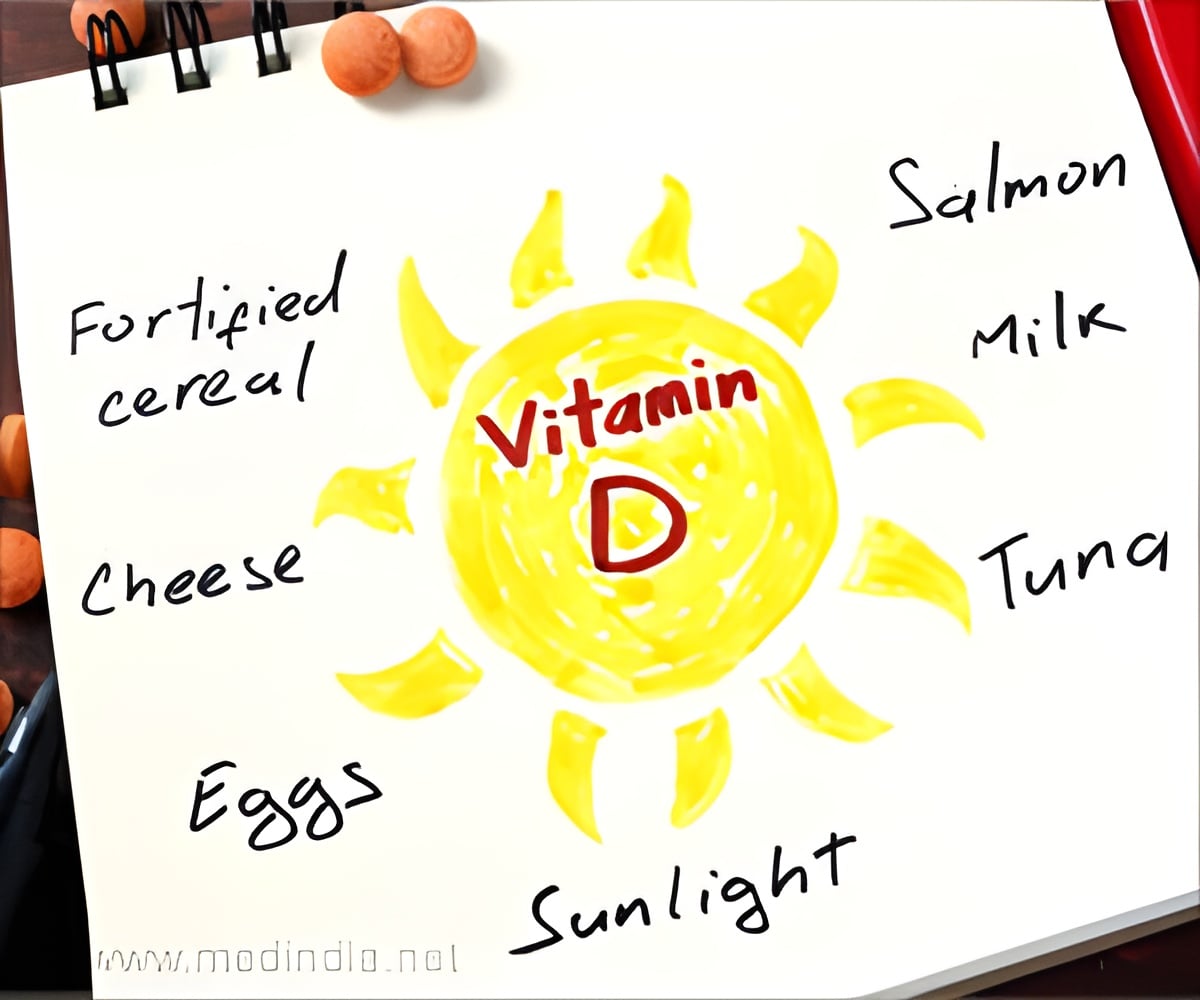
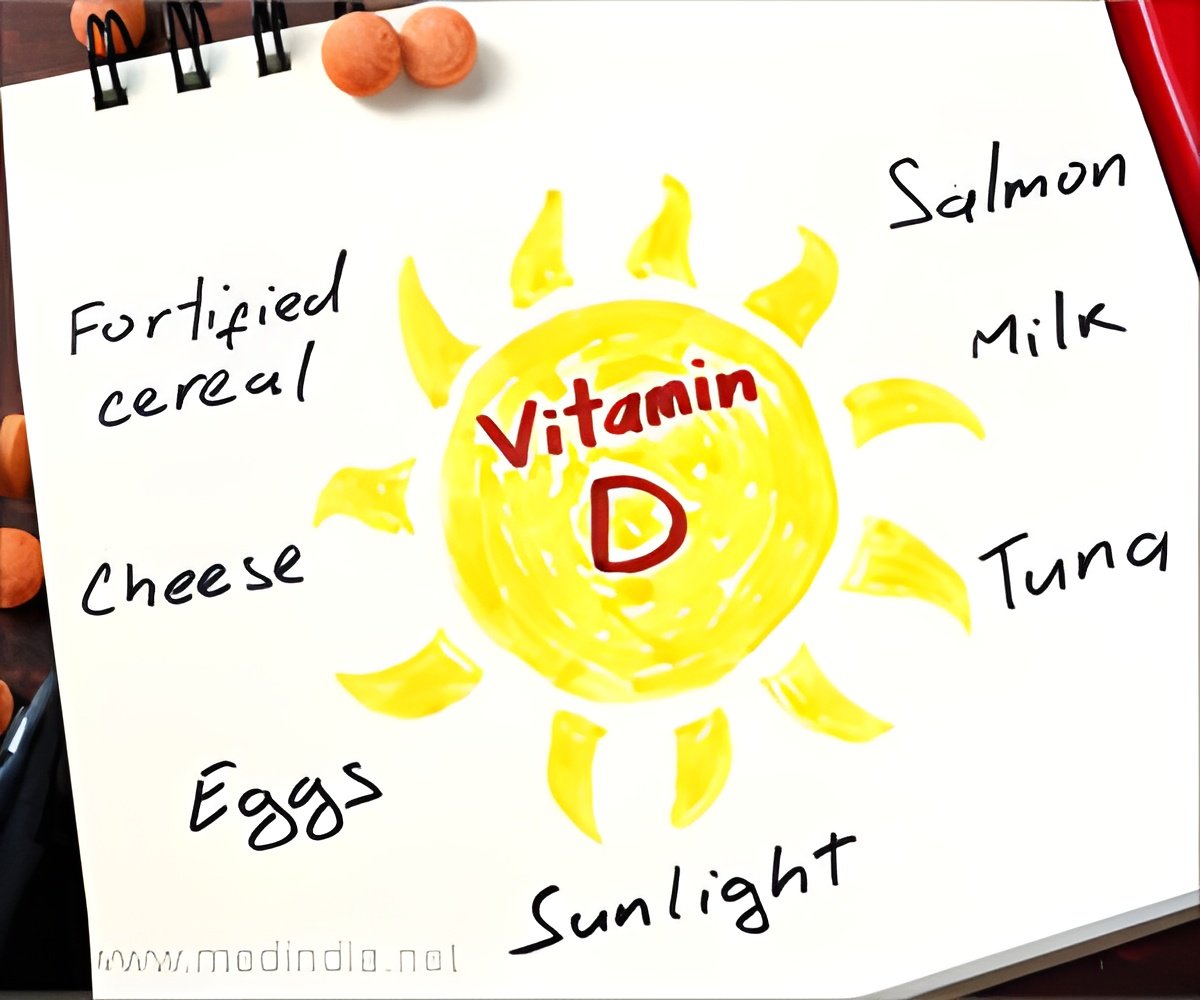
New Canadian rules double vitamin D in milk, aiming to boost winter intake, support bones, immunity, and mood, especially for teens who often fall short.
Canada’s updated fortification rules are expected to nearly double vitamin D intake, helping address widespread winter shortages, especially among teenagers (1✔ ✔Trusted Source
Regulations Amending the Food and Drug Regulations (Nutrition Symbols, Other Labelling Provisions, Vitamin D and Hydrogenated Fats or Oils
Go to source
).
It’s mid-winter, and you might find yourself wondering why your mood feels low. You are not alone. That dip in how you feel could be linked to a shortage of a nutrient often called the sunshine vitamin: vitamin D.
Health Canada reports that one in five Canadians are not getting enough vitamin D. While most children under age 11 meet their needs, intake drops once they reach their teenage years.
As of Dec. 31, 2025, new regulations require some milk products to contain almost twice as much added vitamin D as before. This means you will likely get more vitamin D through your diet, but there are additional ways to boost levels if you feel that may still not be enough.
TOP INSIGHT

Did You Know?
Vitamin D in milk jumped from 2.3 to 5 micrograms per cup, and Health Canada expects intake to nearly double. #vitamind #winterhealth #medindia
Advertisement
Vitamin D Role in Everyday Body Functions
Vitamin D is a nutrient, or chemical compound, found in foods we eat. Registered dietitian Katheryn Iu explains that vitamin D works like a “super helper” in the body. She says many everyday body processes depend on having adequate levels of this vitamin.
It supports key functions such as:
- Bone and teeth health
- Immune defenses that help fight germs
- Muscle stamina
- Brain health, hormones, and even mood
Advertisement
Sunshine Vitamin Absorption in Winter Months
You may have heard vitamin D called the sunshine vitamin. That nickname comes from its special absorption process. When skin is exposed to ultraviolet B rays from sunlight, the body converts them into a form of vitamin D that circulates throughout the system.
In Canada, however, winter brings far less sunlight, making natural production harder, particularly for teenagers who spend less time outdoors than younger children.
“The reality is we live in Canada,” said Brenda Hartman, a nutritional sciences professor at Western University in London, Ontario.
“We do not make vitamin D from the sun, you know, six to eight months of the year.” For that reason, she supports Health Canada’s move to raise vitamin D levels in commonly consumed products.
Advertisement
Health Canada Fortification Rules and Daily Intake Targets
The amount of vitamin D needed varies by age. Health Canada advises that children and teenagers ages nine to 18 should get 600 International Units per day, with an upper limit of 4,000 International Units.
Starting Dec. 31, 2025, Health Canada introduced rules requiring companies to double, or more than double, the vitamin D added to cow’s milk, goat’s milk, margarine, and milk alternatives.
This approach is not new. For decades, certain foods have been required to contain added vitamin D. Under the updated rules, a cup of milk increased from about 2.3 micrograms of vitamin D to five micrograms. One cup now provides roughly 200 International Units.
Health Canada said it expects overall vitamin D intake among Canadians to approximately double because of these changes.
Low Vitamin D Signs and Practical Ways to Boost Levels
Iu notes that people may not realize they are low in vitamin D until symptoms appear. Possible signs include feeling low, muscle weakness, fatigue, and getting sick more often. In rare and severe situations, weak or softened bones, known as rickets, may develop (2Why you’re now getting more vitamin D in your milk and margarine
Go to source
).
If you are worried about your vitamin D levels, Iu recommends speaking with your health care provider rather than turning to social media for guidance.
“I always want to emphasize there is no such thing as perfect eating,”; Iu also suggests several ways to raise vitamin D levels. She advises spending time outdoors on sunny days. You can also eat vitamin D–rich foods such as fish, eggs, milk, or fortified milk alternatives, drink some fortified orange juices, or consider supplements like vitamin D drops.
If you are concerned about getting too much, that is unlikely. To exceed the daily recommended amount for teenagers, “you would have to drink like 20 cups of milk,” Iu said.
In conclusion, Canada’s updated fortification rules are designed to significantly raise vitamin D intake, offering extra support for bones, immunity, muscles, and mood, especially during long winters when natural sunlight is limited and teenagers often fall short.
References:
- Regulations Amending the Food and Drug Regulations (Nutrition Symbols, Other Labelling Provisions, Vitamin D and Hydrogenated Fats or Oils): SOR/2022-168 – (https://gazette.gc.ca/rp-pr/p2/2022/2022-07-20/html/sor-dors168-eng.html )
- Why you’re now getting more vitamin D in your milk and margarine (https://www.cbc.ca/kidsnews/post/why-youre-now-getting-more-vitamin-d-in-your-milk-and-margarine )
Source-Medindia
Go to Source:https://www.medindia.net/news/vitamin-d-levels-doubled-in-milk-to-help-change-teen-health-across-canada-222255-1.htm
Author:


-

This Way Out
LGBTQ community radio program
TWO is a volunteer-produced, multi-award-winning, internationally-syndicated weekly half-hour “magazine style” LGBTQ community radio program based in Los Angeles, currently heard on more than 200 local community radio stations across North America, in the Netherlands, the U.K., Australia, South Africa, India, and New Zealand; on satellite to home and cable outlets across Europe, the Middle East/Africa and Asia/Pacific regions via the London-based World Radio Networks. TWO is produced and distributed by Overnight Productions, Inc., a 501(c)3 non-profit corporation. Mission: To educate, inform and entertain audiences around the world by making freely available the presentation of news, features and cultural works by and about the international lesbian, gay, bisexual and transgender community via audio broadcast and cyber media.
close Top popular
Matt Damon Discusses Working With Wife Luciana on ‘The Instigators’

Listen to Jane Remover’s New Songs “Flash in the Pan” and “Dream Sequence”
NFL Week 17 highlights: Packers, 49ers, Saints, Steelers win, Cardinals stun Eagles

Demo underway on Sea Esta Motel in Dewey

Watch MexikoDro’s Video for New Song “Marta”